
Working from Home with a Dog: Balancing Walks and Work
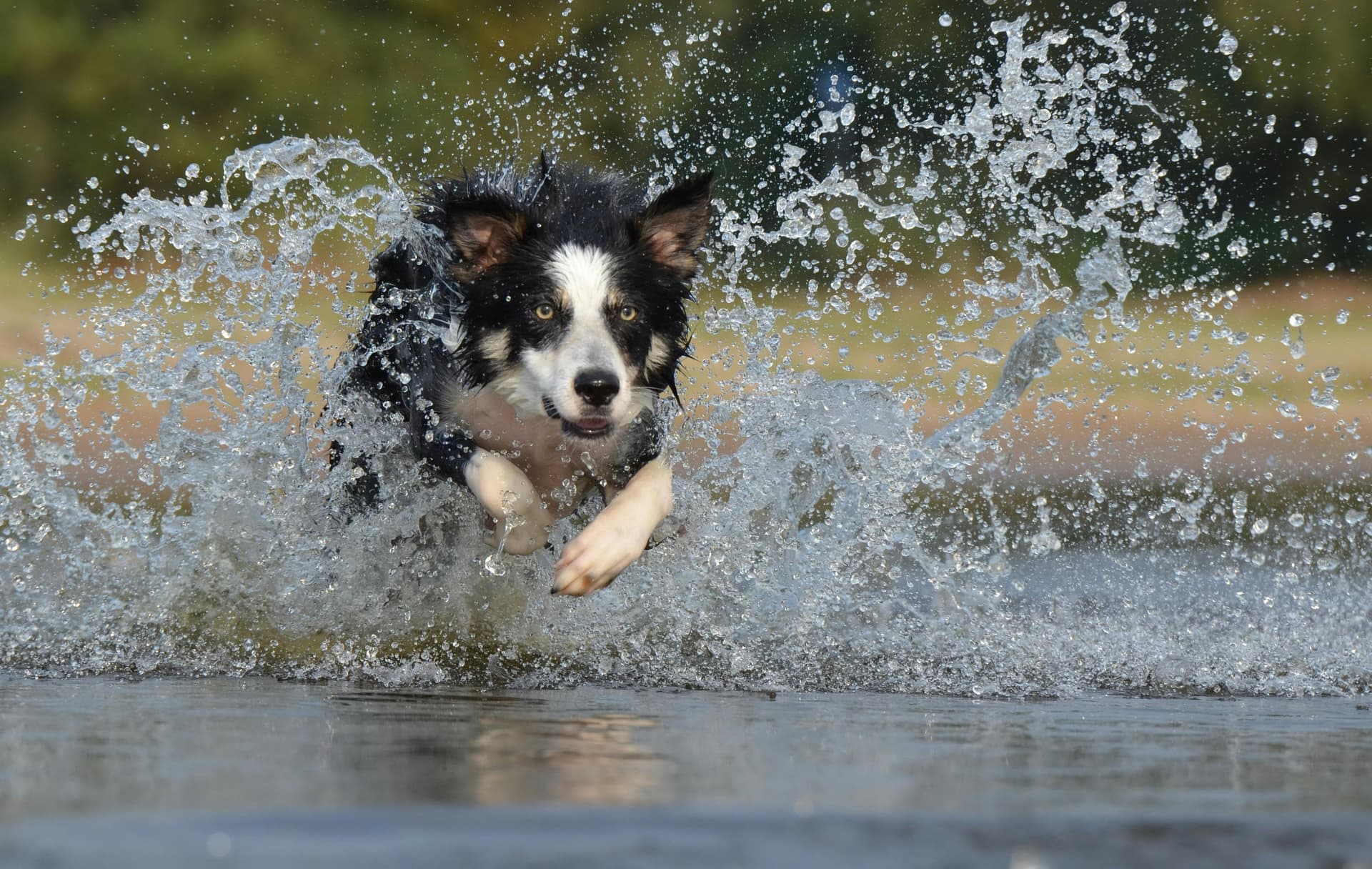
Remote working and dog ownership are a natural match: your dog gets more company, and you get a built-in reason to step away from the screen. But it is not always easy. Barking during video calls, a nudging nose at your keyboard, and the guilt of ignoring a pair of hopeful eyes can all disrupt your working day.
This guide covers practical strategies for making remote work and dog ownership work together, from structuring your day to managing behaviour.
Structuring Your Day Around Walks
The single most important thing you can do is build your walks into your schedule like meetings. Here is a template that works for most people:
- 7:00-8:00 AM: Morning walk (30-60 mins). This is your most important walk. A well-exercised dog in the morning is a calm dog for the rest of the day.
- 8:00-12:00: Focused work. Your dog should settle after their walk. This is your most productive window.
- 12:00-1:00 PM: Lunch break walk (20-30 mins). A midday leg stretch for both of you. Even a short garden break helps.
- 1:00-5:00 PM: Afternoon work. Your dog will likely sleep through most of this.
- 5:00-6:00 PM: Evening walk (30-60 mins). End the working day with a proper walk to transition into evening mode.
The key insight is that a tired dog is a quiet dog. Front-load the exercise and your working hours become much smoother.
Setting Up Your Workspace
- Dog bed near your desk: Give your dog a comfortable spot close to you. Being nearby is usually enough to keep them settled.
- Baby gate: If your dog demands attention, a baby gate across the office door gives separation without isolation. They can see you but cannot interrupt.
- Chew toys and enrichment: A stuffed Kong, snuffle mat or lick mat can buy you 30-60 minutes of quiet focus time.
- Water bowl in your workspace: Prevents trips to the kitchen interrupting your flow.
- Webcam positioning: If your dog insists on being in shot during video calls, embrace it. Most colleagues find it endearing.
Managing Barking During Calls
Barking is the number one concern for remote workers with dogs. Here is how to handle it:
- Prevent the trigger: Most barking is triggered by doorbells, delivery drivers, or people walking past. If your dog reacts to movement outside, block their view of the front window during call times.
- Desensitise to doorbell: Ring the doorbell repeatedly during non-call times (20 times in a row) and ignore the door. Over time, the doorbell becomes boring.
- White noise: Background music or a white noise machine can mask external sounds that trigger barking.
- Mute when not speaking: Make this a habit. It buys you time to manage any unexpected barking.
- Be honest: Most people understand that working from home means occasional dog noises. A brief "sorry, the dog spotted a squirrel" is usually met with a smile.
Preventing Separation Anxiety
Ironically, being home all day can make dogs worse at being alone. If your dog never experiences separation, they may panic when you eventually return to an office or go out for the evening.
- Practice leaving the house for 10-15 minutes every day, even if you have nowhere to go.
- Use a cue word ("I will be back") and keep departures low-key.
- Build up duration gradually: 10 minutes, then 30, then an hour.
- Leave enrichment toys (stuffed Kong, puzzle feeder) when you go out.
- If you work from home full-time, consider a dog walker once or twice a week. This gives your dog experience of being without you and social interaction with other dogs.
Best Breeds for Working from Home
Some breeds are naturally better suited to the home-office lifestyle:
- Excellent: Greyhound, Whippet, Cavalier King Charles Spaniel, Shih Tzu, Bulldog. These breeds are genuinely happy to sleep most of the day.
- Good: Labrador, Golden Retriever, Staffordshire Bull Terrier, Poodle. Adaptable breeds that settle well with enough exercise.
- Challenging: Border Collie, Australian Shepherd, Springer Spaniel, Vizsla. High-energy breeds that need significant exercise and mental stimulation. Expect to work harder at keeping them settled.
Productivity Tips
- Walk before work: The morning walk is non-negotiable. It sets the tone for the entire day.
- Use the Pomodoro technique: Work in 25-minute blocks, then take a 5-minute break with your dog. It suits both human focus and canine attention spans.
- Schedule walks as meetings: Block out walking time in your calendar so colleagues cannot schedule over it.
- Rain plan: Have indoor enrichment ready for days when outdoor walks are cut short. Puzzle feeders, training sessions and scent work can replace physical exercise.
- Forgive interruptions: Your dog will occasionally demand attention at the worst moment. A quick 30-second fuss is usually enough to settle them. Fighting it creates more disruption than giving in.
Enjoying this guide?
Get more like it every week. The best walks, pub picks and breed tips, straight to your inbox.
Got expert dog advice to share? We publish guest articles from vets, trainers and passionate dog owners.


