
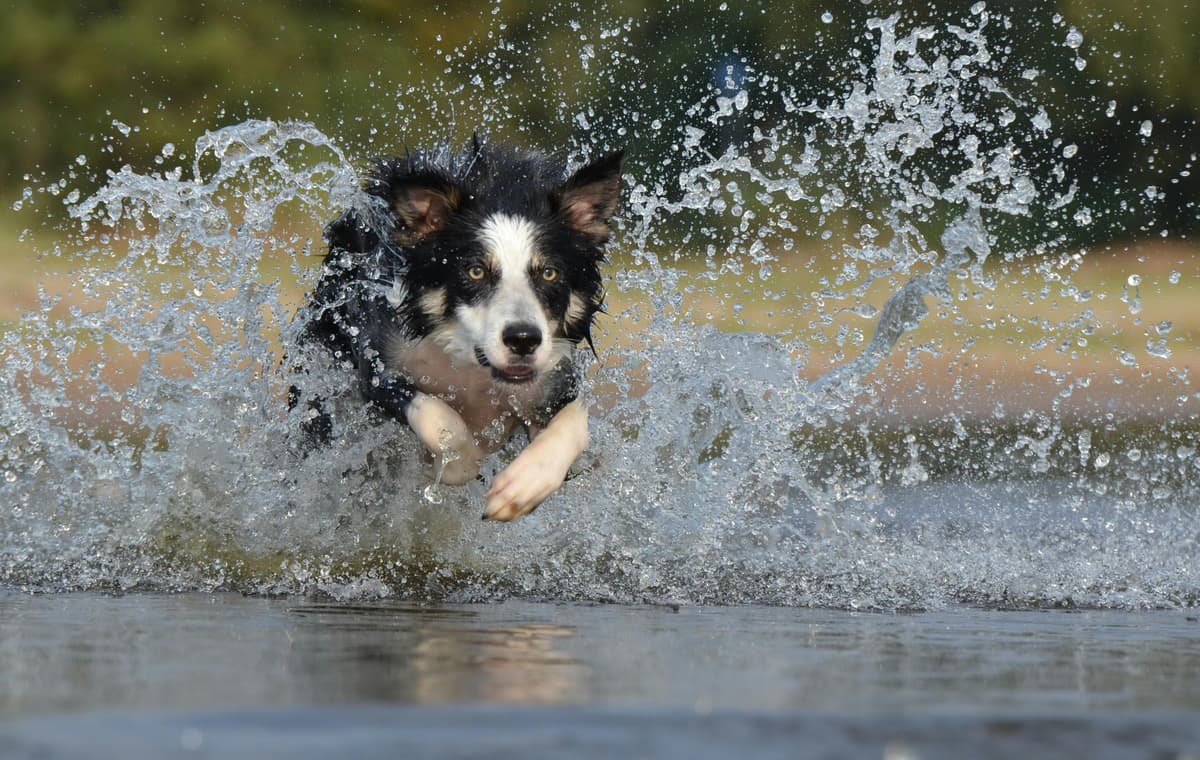
Labrador Retriever
The UK's most popular breed for good reason - endlessly loyal, enthusiastic, and always up for an adventure (or a snack).
Personality Traits
History and Origins
Despite its name, the Labrador Retriever did not originate in Labrador but on the neighbouring island of Newfoundland, where it was known as the St. John's Water Dog. These compact, waterproof dogs worked alongside Portuguese and English fishermen from the 16th century onwards, hauling in nets, retrieving escaped fish, and swimming lines between boats in the freezing North Atlantic. British aristocrats visiting Newfoundland in the early 1800s recognised the dogs' exceptional retrieving ability and began importing them to England.
The breed was refined on the great shooting estates of England and Scotland throughout the 19th century, with the Earls of Malmesbury and the Dukes of Buccleuch playing particularly important roles in establishing the modern Labrador. The Kennel Club formally recognised the breed in 1903, and the Labrador rapidly became the gundog of choice for British shoots. By the second half of the 20th century, it had also become the most popular pet dog in the UK - a position it has held almost continuously ever since.
Appearance
The Labrador is a strongly built, medium-to-large dog with a broad head, thick "otter" tail, and an unmistakable expression of intelligence and good humour. Males stand 56 to 57 cm at the shoulder, females 55 to 56 cm. The breed comes in three recognised colours: black, yellow (ranging from pale cream to fox-red), and chocolate. Black was the original and most common colour, though yellow Labs now dominate in the pet market.
The coat is the Labrador's great practical asset - short, dense, and remarkably waterproof, with a thick undercoat that insulates against cold water and foul weather. It should feel hard and slightly oily to the touch. The coat is low-maintenance compared to many gundog breeds but sheds prolifically, particularly during the twice-yearly moult.
- Broad skull with a pronounced stop and powerful jaws
- Medium-sized, expressive eyes in brown or hazel
- Distinctive thick, round "otter tail" that tapers towards the tip
- Compact, webbed feet built for swimming
There is a notable difference between show-type (bench) and working-type (field) Labradors. Show lines tend to be heavier, broader, and calmer, while working lines are leaner, more athletic, and considerably higher in energy. Prospective owners should research which type suits their lifestyle.
Is a Labrador Retriever Right for You?
Labradors are wonderful dogs for the right household, but they are not the effortless pet that their popularity might suggest. They are big, energetic, and enthusiastic about everything - including food, mud, water, and jumping on people. A young Labrador is a whirlwind of tail-wagging, face-licking, lead-pulling exuberance that can overwhelm an unprepared owner.
They need substantial daily exercise - at least an hour and a half for an adult, with more for working-bred dogs. Without adequate physical and mental stimulation, Labs become bored and destructive. They are also famously food-obsessed, which makes training easier but weight management a constant challenge. Overweight Labradors are extremely common in the UK, and the health consequences are serious.
If you want a calm, low-energy dog that will lounge elegantly on the sofa, look elsewhere. If you want a loyal, cheerful companion that will happily join you on country walks, beach runs, and camping trips, then a Labrador might be your perfect match.
Living with a Labrador
Labradors live life at full volume. They greet every day, every person, and every meal as though it were the most exciting thing that has ever happened to them. This relentless enthusiasm is infectious and endearing, but it does mean your house will never be truly tidy, your garden will feature at least one excavation project, and your clothes will be permanently decorated with short, clingy dog hair.
Their appetite is legendary and apparently bottomless. Labradors will eat anything - their actual food, your food, food-shaped objects, and objects that are not remotely food-shaped. A 2016 Cambridge University study identified a gene mutation in Labradors that impairs their ability to feel full, explaining what every Lab owner already knew: they are always hungry. Secure your bins, keep food out of reach, and measure portions carefully.
They are social, pack-oriented dogs that do best when they are with their people. They can adapt to being left alone for reasonable periods if properly trained, but a Labrador that spends most of its time isolated will become anxious and destructive. They are generally excellent with children and other pets, though their size and bounciness mean supervision is sensible around very young children.
Training Tips
Labradors are highly trainable dogs that respond wonderfully to positive, reward-based methods. Their food motivation is a powerful training tool - use small, low-calorie treats and deduct them from the daily food allowance to avoid weight gain. They are quick learners who enjoy the challenge of new commands and tasks.
The main training challenge is their exuberance. Labradors can be impulsive and easily distracted, particularly around food, other dogs, and water. Impulse control exercises - teaching your Lab to wait, leave items, and settle on cue - are among the most valuable things you can train.
- Start lead training early, as a fully grown Lab pulling on the lead is no joke
- Practise recall religiously, especially around water and other dogs
- Use retrieving games to channel their natural instincts productively
- Teach a solid "leave it" command, given their tendency to eat everything they find
- Consider gundog training classes, even if you have no interest in shooting, as they provide excellent mental stimulation
Temperament
The Labrador Retriever has one of the most reliably friendly temperaments in the canine world. These are outgoing, trusting, and impossibly good-natured dogs that seem to believe every person they meet is a potential best friend. Their sociability extends to other dogs, cats, and indeed most living creatures - a trait that makes them terrible guard dogs but exceptional family companions.
Labs are confident without being aggressive, playful without being hyperactive (once mature), and affectionate without being clingy. They have an innate desire to please their owners, which, combined with their intelligence, makes them remarkably versatile working dogs. This is why they dominate in roles as guide dogs, assistance dogs, detection dogs, and therapy dogs across the UK.
Beneath the happy-go-lucky exterior lies a sensitive, perceptive dog. Labradors are attuned to their owners' moods and can become anxious in tense or chaotic households. They respond best to calm, consistent handling and do not cope well with harsh corrections or raised voices. A Lab that is shouted at will not become obedient - it will become worried.
Working-line Labradors tend to be higher in energy and drive than show-bred dogs, and some can be intense and relentless in their desire for activity. Prospective owners should meet both parents and discuss the breeder's lines to understand what energy level to expect. A field-trial-bred Lab in a sedentary household is a recipe for mutual frustration.
Exercise Needs
Labradors are athletic, energetic dogs that require a minimum of one and a half to two hours of exercise daily. This should be a combination of structured walks, free running in secure areas, and interactive play. Swimming is particularly beneficial, as it provides excellent low-impact exercise that most Labs adore.
Working-bred Labradors may need even more activity and will benefit from structured tasks such as retrieving exercises, scent work, or agility training. Even show-type Labs, which tend to be calmer, still need substantial daily exercise to maintain a healthy weight and a settled temperament at home.
Mental stimulation is equally important. Puzzle feeders, scent trails, training games, and hide-and-seek with treats all engage the Labrador's sharp mind. A Lab that receives only physical exercise but no mental challenge can still become bored and difficult to manage. Gundog training classes are outstanding for this breed, providing structured mental and physical work that fulfils their natural instincts.
As with all large breeds, exercise should be carefully managed during puppyhood. The five-minutes-per-month-of-age rule is a useful guideline - so a four-month-old puppy should have no more than 20 minutes of formal exercise at a time. Free play on soft ground is fine, but avoid road walking, jogging, and jumping until bones and joints are fully developed at around 12 to 18 months.
Grooming
The Labrador's short, dense coat is relatively low-maintenance in terms of styling, but it sheds copiously. Regular brushing two to three times a week with a rubber grooming mitt or bristle brush will help manage the loose hair and distribute the natural oils that keep the coat waterproof. During the spring and autumn moults, daily brushing with an undercoat rake or deshedding tool is essential to keep the avalanche of loose fur under control.
Despite their love of water, Labradors do not need frequent bathing. Their coat has natural oils that repel dirt and water, and over-bathing can strip these oils, leading to dry skin and a less effective coat. A bath every two to three months is usually sufficient, or as needed after particularly muddy adventures. Use a mild dog shampoo to preserve the coat's natural properties.
Ear care is particularly important for Labradors, as their floppy ears can trap moisture and create a warm, damp environment where bacteria and yeast thrive. Check the ears weekly and clean them with a vet-recommended ear cleaner, especially after swimming. Signs of ear infection include redness, odour, head shaking, and scratching at the ears.
Trim nails every two to three weeks, brush teeth several times a week, and check paw pads regularly for cuts or foreign objects, particularly after walks through rough terrain or stubble fields.
Health
Labradors are generally robust dogs, but the breed is predisposed to several health conditions that prospective owners should be aware of. Hip dysplasia and elbow dysplasia are the most significant orthopaedic concerns, and both parents should be scored through the BVA/Kennel Club scheme before breeding. Ask your breeder for these scores and check they are below the breed average.
Eye conditions are another area of concern. Progressive retinal atrophy (PRA) can cause blindness, but a DNA test is available, and responsible breeders will test for this. Cataracts and retinal dysplasia can also occur. Annual eye examinations are recommended for breeding dogs.
Exercise-induced collapse (EIC) is a genetic condition that causes muscle weakness and collapse during intense exercise in affected dogs. A DNA test is available, and carriers can be identified before breeding. Centronuclear myopathy (CNM) is another genetic condition that affects muscle development.
Obesity is arguably the most common and most preventable health problem in the breed. Overweight Labradors are at significantly increased risk of joint disease, diabetes, heart problems, and reduced lifespan. Studies have shown that lean Labradors live on average two years longer than overweight ones. Controlling food intake, providing adequate exercise, and resisting the urge to over-treat are fundamental to Labrador health. The breed typically lives 10 to 14 years with proper care.
For official breed standards, visit The Kennel Club.
Frequently Asked Questions
Are Labradors good with children?
Labradors are one of the best breeds for families with children. They are patient, gentle, and naturally playful. However, their size and exuberance mean supervision is important around very young children, as an excited Lab can easily knock a toddler over.
How much do Labradors eat?
An adult Labrador typically needs 250 to 350 grams of high-quality dry food per day, split into two meals. However, Labradors have a genetic tendency to feel constantly hungry, so portion control is essential. Always measure food rather than free-feeding.
What is the difference between a show Lab and a working Lab?
Show (bench) Labradors are heavier, broader, and generally calmer. Working (field) Labradors are leaner, more athletic, and significantly higher in energy and drive. Working-bred Labs need more exercise and mental stimulation than their show-bred counterparts.
Do Labradors bark a lot?
Labradors are moderate barkers. They may bark to alert you to visitors or when excited, but they are not typically excessive barkers. Boredom, anxiety, or lack of exercise can increase barking behaviour in any dog, including Labs.
At what age do Labradors calm down?
Most Labradors begin to settle between two and four years of age, though working-line dogs may take longer. Consistent training, adequate exercise, and mental stimulation help manage their energy levels during the boisterous young adult phase.
Can Labradors live in flats?
Labradors can adapt to flat living if they receive sufficient daily exercise and outdoor time, but it is not ideal. They are large, active dogs that benefit from a garden and easy access to outdoor spaces. A flat-dwelling Lab will need very committed owners.
Enjoying this guide?
Get more like it every week. The best walks, pub picks and breed tips, straight to your inbox.