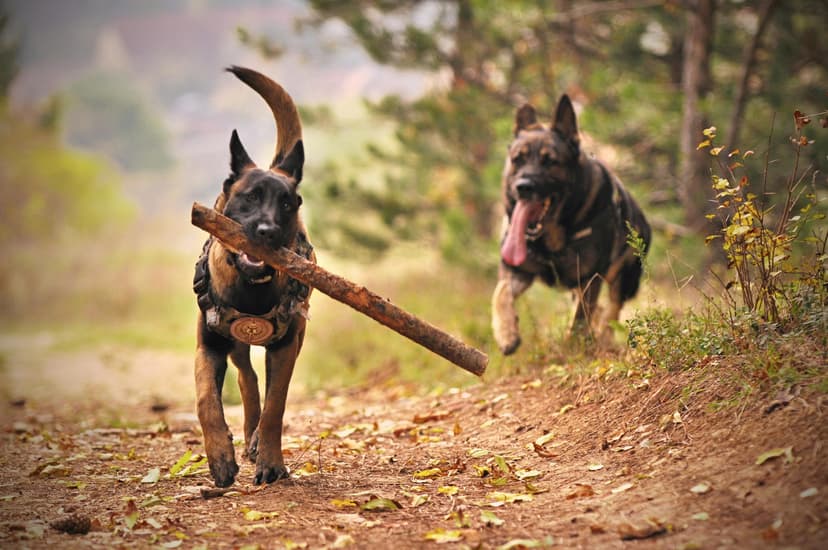
How to Teach Your Dog to Swim Safely
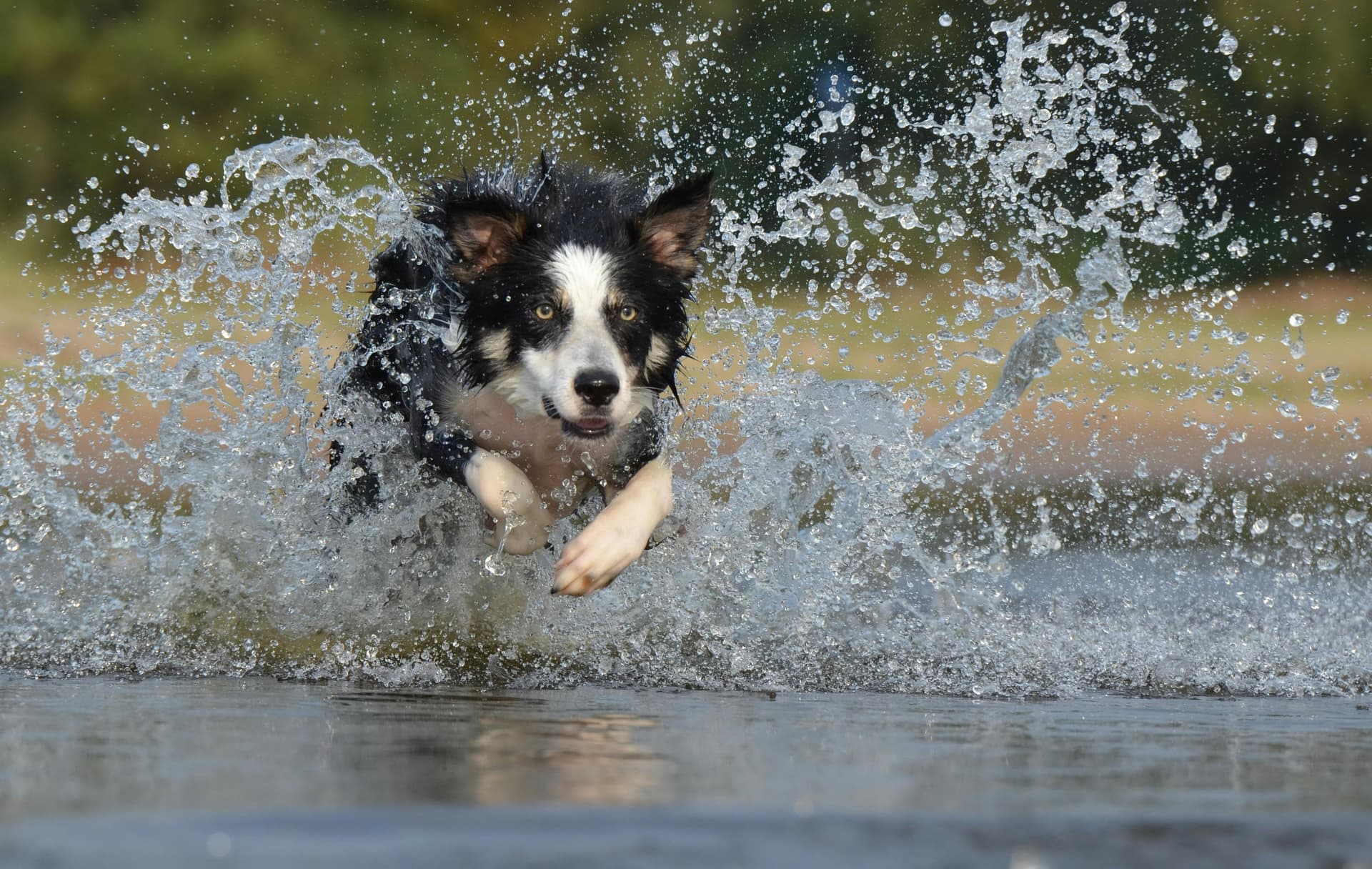
Not all dogs are natural swimmers. While Labradors and Spaniels take to water instinctively, many breeds are hesitant, and some (particularly flat-faced and short-legged breeds) need careful introduction and supervision. This guide covers how to introduce your dog to water safely, which breeds need extra help, and how to handle water hazards on walks.
Natural Swimmers vs Water-Shy Breeds
Understanding your dog's relationship with water starts with their breed heritage:
Breeds that typically love water
- Water dogs: Labrador Retriever, Golden Retriever, Portuguese Water Dog, Irish Water Spaniel, Standard Poodle
- Spaniels: English Springer, Cocker Spaniel, Welsh Springer
- Setters: Irish Setter, English Setter, Gordon Setter
- Others: Newfoundland, Chesapeake Bay Retriever, Flat-Coated Retriever
Breeds that often struggle
- Brachycephalic: Bulldogs, Pugs, French Bulldogs (their body shape makes swimming difficult and dangerous)
- Short-legged: Dachshunds, Corgis, Basset Hounds (they tire quickly)
- Lean/low body fat: Whippets, Greyhounds (less natural buoyancy)
- Heavy-coated: Some heavy double-coated breeds become waterlogged quickly
First Introduction to Water
Whether your dog is a potential swimmer or not, a careful first introduction builds confidence:
- Choose the right location: A shallow, calm lake or slow-moving river with a gentle, gradual entry. Avoid the sea for first introductions as waves and currents are unpredictable.
- Warm day, warm water: Cold water is discouraging. Wait for a warm day when the water temperature is comfortable.
- Walk in yourself: If safe, wade in to your knees. Your presence in the water reassures your dog. Many dogs will follow their owner into water when they would not go alone.
- Let them set the pace: Never throw, push or carry your dog into water. This creates fear, not confidence. Let them paddle at the edges first.
- Use toys or treats: Throw a favourite toy a short distance into shallow water. Gradually increase the distance as confidence grows.
- Praise lavishly: Every positive interaction with water should be celebrated. Even putting paws in deserves praise.
- Keep sessions short: Five minutes is plenty for a first introduction. End on a positive note and try again another day.
Safety Equipment
- Dog life jacket: Essential for dogs learning to swim, breeds that struggle, and any dog near deep or moving water. Look for high-visibility colours and a handle on top for easy lifting. Ruffwear Float Coat is the gold standard.
- Long line: A 10-metre long line gives your dog freedom to explore water while keeping control. Essential for dogs with unreliable recall near water.
- Towels: Microfibre towels dry dogs quickly and prevent them getting cold after swimming.
- Fresh water: Dogs should not drink large amounts of lake, river or sea water. Carry fresh drinking water to offer after swimming.
Water Hazards on Walks
Not all water is safe for dogs. Be aware of these hazards:
Blue-green algae
Cyanobacteria blooms appear as green scum or blue-green film on still water, typically in warm weather (June-September). They produce toxins that can be fatal to dogs within hours. If water looks green, foamy or has an unusual smell, keep your dog out completely. If your dog does swim in suspect water, rinse them immediately and contact your vet.
Strong currents
Rivers after heavy rain, tidal estuaries and harbour areas can have currents too strong for dogs to swim against. Even strong swimmers can be swept away. Stick to calm water and always check conditions before letting your dog swim.
Cold water shock
In winter and early spring, water temperatures can cause cold water shock even in hardy dogs. Symptoms include panic, rapid breathing and inability to swim. Avoid swimming in water below 10C and limit time in cold water.
Weils disease (Leptospirosis)
Spread through rat urine in still water, particularly in urban waterways and canals. Ensure your dog's leptospirosis vaccination is up to date. Rinse your dog after swimming in still freshwater.
After-Swimming Care
- Rinse with fresh water: Salt, algae, chlorine and bacteria should be rinsed off after every swim.
- Dry ears thoroughly: Moisture trapped in ears causes infections. Use a soft cloth or specific ear-drying solution.
- Check for debris: Seeds, twigs and sand can get trapped in coats, ears and between toes.
- Warm up: In cooler weather, dry your dog and offer a warm, sheltered spot. Thin-coated breeds may benefit from a drying coat.
- Watch for illness: If your dog vomits, has diarrhoea or seems unwell after swimming, contact your vet. This is particularly important if you suspect contact with blue-green algae.
Building Confidence Over Time
Swimming confidence develops over multiple sessions. Here is a typical progression:
- Session 1-2: Paddling at the edges. Praise all water contact.
- Session 3-4: Wading to belly depth. Following toys or you into slightly deeper water.
- Session 5-6: First swimming strokes. Dogs naturally paddle when their feet leave the bottom. Stay close to support them.
- Session 7+: Building stamina and confidence. Gradually increase distance and introduce different water environments.
Some dogs never become enthusiastic swimmers, and that is perfectly fine. Not every dog needs to swim. If your dog clearly dislikes water after several positive introductions, respect their preference and enjoy splashing at the edges instead.
Enjoying this guide?
Get more like it every week. The best walks, pub picks and breed tips, straight to your inbox.
Got expert dog advice to share? We publish guest articles from vets, trainers and passionate dog owners.