
Best Coastal Walks for Dogs in the UK
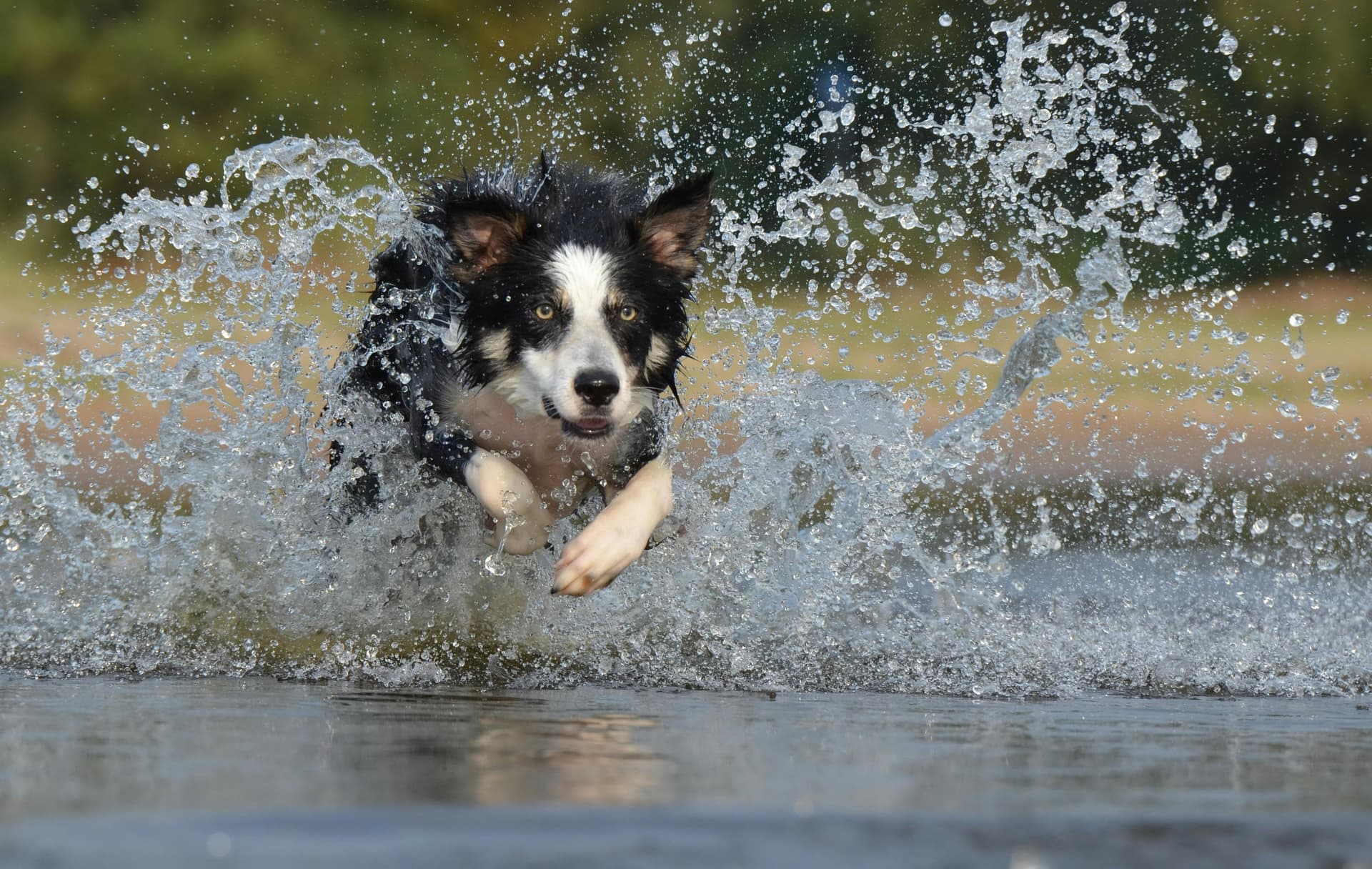
The British coastline stretches for over 19,000 miles, and much of it is spectacularly dog-friendly. From the dramatic cliffs of Cornwall to the wide sandy beaches of Northumberland, coastal walking with your dog combines fresh air, exercise, swimming opportunities and some of the finest scenery in the country.
We have selected twelve of the best coastal dog walks from around the UK, covering all regions and difficulty levels.
South West England
Kynance Cove to Lizard Point, Cornwall
The Lizard Peninsula is the most southerly point of mainland Britain, and this 3-mile coastal walk between Kynance Cove and Lizard Point is one of the most dramatic stretches of the South West Coast Path. Turquoise water, serpentine rock stacks and wildflower-covered cliffs make every step scenic.
Dogs can access Kynance Cove beach year-round (seasonal restrictions on the main beach May-September). The cliff-top path is well-maintained but exposed to Atlantic winds. The Lizard village has a dog-friendly cafe.
Distance: 3 miles | Difficulty: Moderate | Best for: Dramatic scenery
Woolacombe to Putsborough, North Devon
Three miles of golden sand backed by dunes, Woolacombe is regularly voted one of the best beaches in the UK. The walk along the sand to Putsborough is flat, easy and gives dogs maximum beach freedom. Dogs are welcome year-round on the northern section.
The beach is backed by the Tarka Trail, so you can loop back along the coast path for variety. Surf conditions can create strong currents, so supervise swimming dogs.
Distance: 6 miles (return) | Difficulty: Easy | Best for: Beach running
South East England
Seven Sisters, East Sussex
The chalk cliffs of the Seven Sisters are one of the most iconic landscapes in southern England. This 5.5-mile linear walk from Seaford to Birling Gap undulates over all seven cliff tops, with views across the English Channel and along the white cliff faces.
Dogs should be on leads near the cliff edges and through Cuckmere Haven nature reserve. The beach at Birling Gap allows off-lead access. Beware of cliff-top rabbit holes which can trip owners.
Distance: 5.5 miles | Difficulty: Moderate (hilly) | Best for: Dramatic chalk cliffs
East Anglia
Holkham Beach, Norfolk
Holkham is widely considered the finest beach in England. A vast expanse of golden sand backed by pine woods, with almost unlimited space for dogs to run. Even in summer, you can walk for miles without feeling crowded.
Dogs are welcome year-round on most of the beach, though seasonal restrictions apply near the main entrance (April-September). Walk west from the main car park for the quietest stretches. The pine woods provide shelter on windy days.
Distance: 2-8 miles (your choice) | Difficulty: Easy | Best for: Wide open spaces
Dunwich Heath, Suffolk
This National Trust heathland meets the sea on Suffolk's eroding coast. The 3-mile walk crosses heather-covered clifftops with views along the shingle coast. The area has a haunting quality: the medieval city of Dunwich lies beneath the waves, claimed by centuries of coastal erosion.
Dogs can be off-lead on the heath (on leads during ground-nesting bird season). The shingle beach is always dog-friendly. The National Trust tearoom welcomes dogs in the outdoor area.
Distance: 3 miles | Difficulty: Easy | Best for: Heathland and history
Wales
Marloes Sands, Pembrokeshire
This hidden beach on the Pembrokeshire coast is accessed via a 15-minute walk through farmland, which keeps visitor numbers low. The beach is spectacular: red and grey sandstone cliffs, rock pools and views to Skokholm Island.
Dogs are welcome year-round. The access path is steep in places. At low tide, rock pools provide entertainment for dogs who enjoy exploring. The closest dog-friendly pub is in the village of Marloes, a mile inland.
Distance: 4 miles (circular via coast path) | Difficulty: Moderate | Best for: Quiet, unspoilt beach
North of England
Bamburgh to Seahouses, Northumberland
Walking along the beach beneath Bamburgh Castle with views to the Farne Islands is one of the great experiences of the English coast. This 3-mile stretch of golden sand connects the two villages, with rock pools, dunes and very few people outside peak summer.
Dogs are welcome year-round. The beach is backed by dunes where dogs can explore. Bamburgh Castle makes a dramatic backdrop for photos. Seahouses has fish and chip shops that welcome dogs.
Distance: 6 miles (return) | Difficulty: Easy | Best for: Castle views and history
Robin Hood's Bay, North Yorkshire
This classic North Yorkshire walk descends through the characterful fishing village to a rocky shore rich in fossils and rock pools. The cliff-top walk south towards Ravenscar offers dramatic views along the coast and is part of the Cleveland Way.
Dogs should be on leads through the village. The rocky shore is excellent for exploring at low tide but check tide times carefully as the beach disappears at high water. The Bay Hotel is dog-friendly.
Distance: 4 miles | Difficulty: Moderate (steep village) | Best for: Rock pools and fossils
Scotland
West Sands, St Andrews, Fife
Made famous by the opening scene of Chariots of Fire, West Sands is two miles of wide, firm golden sand perfect for running. The walk extends along the beach with views back to the historic town and its ruined cathedral.
Dogs have unrestricted access to the beach and can run off-lead the entire length. The sand is firm enough for comfortable walking even in winter. St Andrews has numerous dog-friendly restaurants and cafes.
Distance: 4 miles (return) | Difficulty: Easy | Best for: Running on firm sand
Coastal Walking Tips for Dog Owners
- Tide awareness: Always check tide times before walking. Some beaches are cut off at high tide and cliff-base paths can become impassable.
- Cliff safety: Keep dogs on leads near cliff edges. Crumbling chalk and sandstone cliffs are unpredictable.
- Saltwater: Rinse your dog with fresh water after sea swimming to prevent skin irritation and salt ingestion.
- Seasonal restrictions: Many popular beaches restrict dogs between May and September. Check local rules before visiting.
- Jellyfish and seaweed: Prevent your dog from eating washed-up jellyfish or rotting seaweed, both of which can be toxic.
- Currents: Not all beaches are safe for swimming. Look for lifeguard flags and avoid areas with strong rip currents.
Enjoying this guide?
Get more like it every week. The best walks, pub picks and breed tips, straight to your inbox.
Got expert dog advice to share? We publish guest articles from vets, trainers and passionate dog owners.