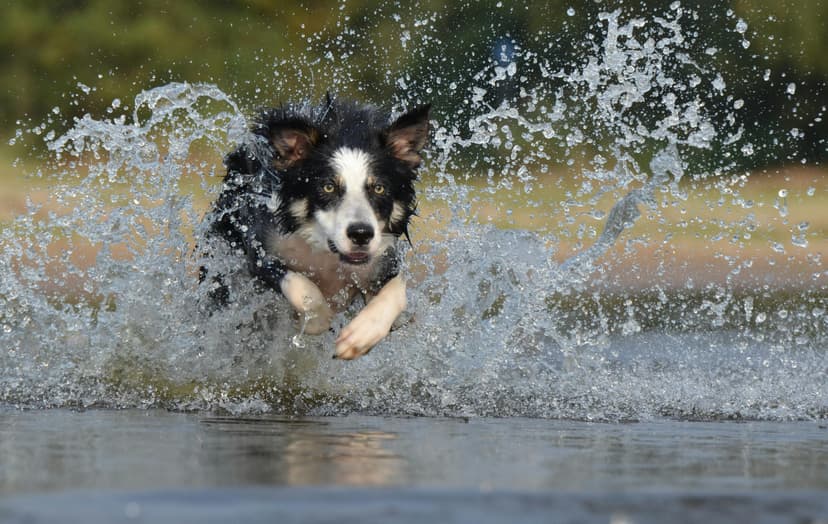

Jack Russell Terrier
A bold, energetic little terrier with a huge personality. Originally bred for fox hunting in Devon, the Jack Russell is now one of Britain's most popular and entertaining companion dogs.
Personality Traits
History and Origins
The Jack Russell Terrier owes its existence to Reverend John Russell, a hunting parson from Devon who, in the early 1800s, set about breeding a small, fearless terrier capable of bolting foxes from their earths. Russell wanted a dog with enough stamina to keep pace with hounds on horseback hunts, yet compact enough to squeeze into underground dens. The result was a tenacious, clever little terrier that quickly earned a reputation across the English countryside.
For over a century, the breed was kept primarily as a working dog, valued for its drive and intelligence rather than its looks. Show standards were deliberately avoided by many enthusiasts who feared that breeding for appearance would dull the terrier's working instincts. It was not until 2016 that the Kennel Club formally recognised the Jack Russell Terrier as a distinct breed, separate from its longer-legged cousin the Parson Russell Terrier. Today, the Jack Russell remains one of the most popular dogs in Britain, found in everything from rural farmyards to city flats.
Appearance
Jack Russells are small but solidly built, standing around 25 to 30 cm at the shoulder and weighing between 5 and 8 kg. Their bodies are slightly longer than they are tall, giving them a rectangular outline that hints at their working heritage. The chest should be narrow enough to allow the dog to enter fox earths, a feature that remains central to the breed standard.
The coat comes in three varieties: smooth, rough, and broken (a mixture of the two). All three are predominantly white with tan, black, or brown markings. Their dark, almond-shaped eyes radiate alertness, and their V-shaped ears fold forward at the tips. The tail is traditionally carried upright and acts almost like a flag when the dog is working in undergrowth, helping owners keep track of their terrier.
Is a Jack Russell Terrier Right for You?
Jack Russells are not the lap dogs their size might suggest. These are high-energy, strong-willed terriers with an enormous personality packed into a compact frame. They thrive with active owners who can provide plenty of physical exercise and mental stimulation every single day. A bored Jack Russell will find its own entertainment, which often involves digging, barking, or dismantling the sofa cushions.
They can be wonderful family dogs, but their terrier temperament means they are best suited to households with older children who understand how to interact with a confident, sometimes stubborn little dog. Their strong prey drive makes them unreliable around small pets like rabbits or guinea pigs. If you want a quiet, easygoing companion, look elsewhere. If you want a bold, funny, endlessly entertaining adventure partner, the Jack Russell might be your perfect match.
- Best suited to active individuals, couples, or families with older children
- Needs a securely fenced garden, as they are expert escape artists and diggers
- Thrives in both rural and urban settings, provided exercise needs are met
- Not ideal for first-time dog owners due to their independent streak
Living with a Jack Russell Terrier
Life with a Jack Russell is never dull. These dogs have a remarkable ability to fill a room with their personality, and they bond deeply with their owners. They are alert watchdogs who will announce every visitor, delivery driver, and passing squirrel with enthusiasm. Early socialisation is absolutely essential to ensure they grow into well-rounded adults who can cope with new situations confidently.
Despite their small stature, Jack Russells have incredible stamina. A quick stroll around the block will not cut it. They need at least an hour of vigorous exercise daily, and they excel at activities like agility, flyball, and scent work. In the UK, they are a common sight on long countryside walks, racing through fields and investigating every hedge and burrow with relentless curiosity.
One trait that catches many new owners off guard is the Jack Russell's vertical leap. These little dogs can jump astonishing heights, easily clearing garden fences and baby gates. Secure boundaries are a must. They are also enthusiastic diggers, so be prepared for the occasional crater in the lawn.
Training Tips
Training a Jack Russell requires patience, consistency, and a good sense of humour. They are intelligent dogs who learn quickly, but they have a strong independent streak and will happily ignore commands if something more interesting catches their attention. Keep training sessions short, upbeat, and varied to hold their focus.
Positive reinforcement works best. Jack Russells respond well to food rewards and play, but they will switch off if sessions become repetitive or heavy-handed. Recall training is particularly important given their high prey drive, and many owners find that a reliable recall takes longer to establish with this breed than with more biddable types. Enrolling in a good puppy class and continuing with ongoing training is strongly recommended.
- Start socialisation early, exposing your puppy to a wide range of people, dogs, and environments
- Use high-value treats for recall training, especially around distractions
- Channel their energy into structured activities like agility or scent games
- Be consistent with boundaries, as Jack Russells will test limits repeatedly
Temperament
The Jack Russell Terrier is a dog of contradictions: fiercely independent yet deeply loyal, small in stature yet brimming with confidence. These terriers were bred to work, and that working instinct shapes every aspect of their temperament. They approach life with an intensity that can be both endearing and exhausting in equal measure.
At home, Jack Russells are affectionate and entertaining companions. They love being at the centre of family life and will follow their favourite person from room to room. They have a well-developed sense of humour and seem to genuinely enjoy making their owners laugh, whether by performing acrobatic leaps, playing elaborate games, or simply fixing you with that knowing terrier stare.
However, the breed's terrier instincts are never far from the surface. Jack Russells have a powerful prey drive and will chase anything that moves, from squirrels in the park to cats in the garden. They can be feisty with other dogs, particularly those of a similar size, and they rarely back down from a confrontation. Early, thorough socialisation is crucial to help manage these tendencies.
They are alert and vocal dogs who make excellent watchdogs, though their enthusiasm for barking can become a nuisance if not managed. Their intelligence means they need regular mental stimulation. Puzzle toys, training games, and scent work are all excellent ways to keep a Jack Russell's busy mind occupied. An under-stimulated Jack Russell is a destructive Jack Russell.
Exercise Needs
Do not be fooled by their small size. Jack Russells are among the most energetic of all terrier breeds and require a minimum of 60 to 90 minutes of vigorous exercise every day. A couple of short walks will not satisfy this breed. They need long, stimulating outings where they can run, explore, and use their nose.
Countryside walks are ideal, as Jack Russells love nothing more than investigating hedgerows, ditches, and rabbit holes. In urban settings, trips to secure dog parks where they can run off lead are essential. They also excel at dog sports, and many owners find that agility, flyball, or scent work classes provide the perfect outlet for their boundless energy.
Mental exercise is just as important as physical activity. Scatter feeding, puzzle toys, and training games all help tire out a Jack Russell's active brain. Without adequate exercise, these dogs quickly become bored and will channel their energy into unwanted behaviours such as excessive barking, digging, or chewing.
Grooming
Jack Russells are relatively low-maintenance in the grooming department, but they do shed more than many people expect from a small dog. Smooth-coated Jack Russells shed steadily throughout the year and benefit from a weekly brush to remove loose hair and keep the coat healthy.
Rough and broken-coated Jack Russells need hand-stripping two or three times a year to maintain the correct coat texture. This involves plucking out the dead outer coat by hand, which is painless for the dog and helps keep the coat weather-resistant. Many owners learn to do this themselves, though professional groomers who are familiar with terrier coats can also help.
Regular nail trimming, ear cleaning, and dental care should form part of the grooming routine. Jack Russells are active dogs who often get dirty on walks, so the occasional bath is inevitable. Their white coats show mud beautifully, and you will quickly learn to keep old towels by the back door.
Health
Jack Russell Terriers are generally healthy, hardy dogs with a long lifespan, often reaching 14 to 16 years. Their working heritage has contributed to a robust constitution, though like all breeds they are predisposed to certain health conditions that prospective owners should be aware of.
Patellar luxation, where the kneecap slips out of position, is one of the more common issues seen in Jack Russells. Lens luxation, an eye condition where the lens becomes displaced, is another concern and can lead to secondary glaucoma if untreated. Responsible breeders screen for these conditions, and the Kennel Club recommends specific health tests for the breed.
Legg-Calve-Perthes disease, a condition affecting the hip joint, can occasionally occur in young Jack Russells. Deafness, particularly in dogs with excessive white colouring, has also been noted. Maintaining a healthy weight is important, as their compact frames are easily stressed by excess body fat. Regular veterinary check-ups and a balanced diet will help keep your Jack Russell in peak condition throughout its long life.
For official breed standards, visit The Kennel Club.
Frequently Asked Questions
Are Jack Russell Terriers good family dogs?
Jack Russells can be great family dogs for active households with older children. Their high energy and bold temperament mean they are best suited to families who enjoy outdoor activities and can provide firm, consistent training. They may be too boisterous for very young children.
How much exercise does a Jack Russell Terrier need?
Jack Russells need at least 60 to 90 minutes of vigorous exercise daily. This should include off-lead running where possible, plus mental stimulation through training games or puzzle toys. They have far more stamina than their small size suggests.
Do Jack Russell Terriers bark a lot?
Yes, Jack Russells are vocal dogs. They were bred to bark while working underground, and this instinct remains strong. Training can help manage excessive barking, but prospective owners should expect a dog that will alert them to every visitor, noise, and passing animal.
Can Jack Russell Terriers live in flats?
Jack Russells can adapt to flat living if their exercise needs are fully met. However, their tendency to bark and their high energy levels can make flat life challenging. A home with a secure garden is generally a better fit for this breed.
Are Jack Russell Terriers easy to train?
Jack Russells are intelligent and learn quickly, but their independent, stubborn streak can make training a challenge. They respond best to short, varied sessions using positive reinforcement. Recall training in particular requires patience and persistence.
Do Jack Russell Terriers get along with cats?
Jack Russells have a very strong prey drive and many will chase cats. Some can learn to live peacefully with a household cat if raised together from puppyhood, but they should never be trusted unsupervised with small animals. Each dog is different, so introductions should always be carefully managed.
Enjoying this guide?
Get more like it every week. The best walks, pub picks and breed tips, straight to your inbox.