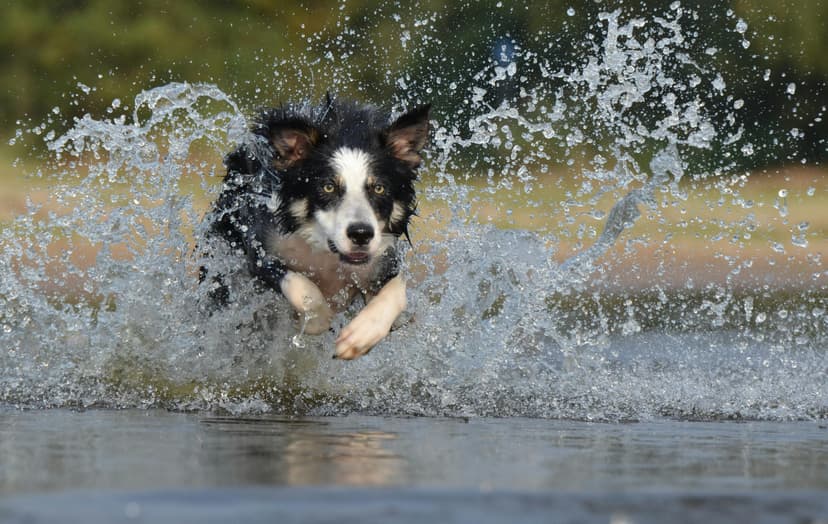

Kerry Blue Terrier
Ireland's national terrier - a versatile, spirited all-rounder with a distinctive blue-grey coat and bold personality.
Personality Traits
History and Origins
The Kerry Blue Terrier originated in County Kerry in south-west Ireland, where it was the working man's all-purpose farm dog for over a century before gaining recognition. The breed herded cattle and sheep, hunted rats, rabbits, badgers and otters, guarded the homestead and even retrieved game from land and water. No other terrier breed can claim such a diverse working heritage.
The Kerry Blue gained national prominence during the Irish independence movement of the 1920s, when it was championed as a symbol of Irish identity. Michael Collins, the revolutionary leader, was among the breed's notable supporters. The breed was first shown at Dublin's Crufts equivalent and quickly gained admirers internationally for its versatility, striking appearance and indomitable spirit.
Appearance
The Kerry Blue is a muscular, well-built terrier standing 44-49 cm at the shoulder. The breed's most distinctive feature is its soft, wavy coat which comes in any shade of blue-grey, from deep slate to pale silver-blue. Puppies are born black and gradually clear to their adult blue colour over their first 18 months to two years. The coat does not shed and has a distinctive silky texture.
The head is long and well-proportioned with a flat skull, strong jaw and keen, dark eyes. Small V-shaped ears fold forward. The overall build is compact and athletic, suggesting both strength and agility. When properly groomed, the Kerry Blue presents a smart, workmanlike appearance that reflects its heritage as a practical farm dog.
Is a Kerry Blue Terrier Right for You?
Kerry Blues are confident, spirited dogs that need experienced owners who understand terrier temperament. They can be assertive with other dogs, particularly dogs of the same sex, and early socialisation is essential. They are deeply loyal to their families and make excellent watchdogs, but their strong personality requires consistent, firm-but-fair training.
They are active dogs that need good daily exercise and mental stimulation. Their non-shedding coat is a major advantage for allergy sufferers but requires regular professional grooming. If you want a characterful, loyal, versatile dog with a stunning coat and are prepared to invest in training and grooming, the Kerry Blue is a rewarding choice.
Living with a Kerry Blue Terrier
Kerry Blues are devoted family dogs that are typically gentle and patient with children they are raised with. They have a strong protective instinct and will alert you to anything unusual. At home, they are affectionate and enjoy being part of family life, though they maintain a certain terrier independence that means they are never truly subservient.
Their strong prey drive means cats and small pets may be at risk unless the dog has been raised with them from puppyhood. They can be territorial and do best as the only dog in the household, or with a dog of the opposite sex. Gardens should be securely fenced as they are skilled escape artists when motivated.
Training Tips
- Start socialisation with other dogs very early to manage same-sex aggression
- Use positive reinforcement consistently - they are intelligent and learn quickly
- Establish clear household rules from day one as they will test boundaries
- Channel their working heritage with agility, obedience or earth dog trials
- Keep training sessions engaging - they bore easily with repetitive exercises
Temperament
The Kerry Blue temperament is quintessentially terrier: bold, confident, loyal and occasionally stubborn. They are dogs with strong opinions and the personality to express them. With their families, they are deeply affectionate and playful, forming particularly strong bonds with one person while being friendly with all family members.
With strangers, they are typically reserved but not aggressive. Their watchdog instincts are strong, and they will alert you to approaching visitors with a deep, authoritative bark. Their attitude toward other dogs requires careful management - while many Kerry Blues coexist peacefully with other dogs, same-sex aggression is a well-known breed trait that needs proactive socialisation and management.
Exercise Needs
Kerry Blues need at least one to one and a half hours of exercise daily. They enjoy vigorous walks, free running in secure areas and active play. Their working heritage means they appreciate varied activities that engage both body and mind. They are good swimmers and many enjoy water activities.
Mental stimulation is equally important. Puzzle feeders, training sessions and interactive games prevent boredom. A bored Kerry Blue will find its own entertainment, usually at the expense of your garden or furniture. They excel at agility and earth dog trials, which channel their natural abilities constructively.
Grooming
The non-shedding coat needs professional grooming every four to six weeks to maintain the traditional Kerry Blue trim. Between grooms, brush the coat thoroughly two to three times a week with a slicker brush and comb to prevent matting. The soft, wavy texture mats easily, particularly behind the ears and in the leg feathering.
The beard needs daily wiping after meals. Regular ear cleaning prevents infections, and the hair inside the ear canal may need plucking. Teeth should be brushed several times a week. The grooming commitment is significant but many owners find that the absence of shedding throughout the house more than compensates.
Health
Kerry Blues are generally healthy with a good lifespan of 12-15 years. Hip dysplasia and eye conditions including cataracts and dry eye (keratoconjunctivitis sicca) are the most common concerns. A breed-specific condition called cerebellar abiotrophy (a progressive neurological disorder) can occur but is relatively rare.
Skin conditions including cysts and keratoses are seen in some lines. Hypothyroidism can occur in middle-aged dogs. The breed is generally robust and hardy, reflecting its working farm-dog origins. Health testing of breeding stock through the BVA/KC schemes helps minimise hereditary conditions.
For official breed standards, visit The Kennel Club.
Frequently Asked Questions
Do Kerry Blue Terriers get along with other dogs?
Kerry Blues can be assertive with other dogs, particularly dogs of the same sex. Early and thorough socialisation helps enormously, but some individuals will always prefer being the only dog. They do best with opposite-sex housemates if a multi-dog household is desired.
Are Kerry Blue Terriers hypoallergenic?
Their non-shedding coat produces less dander than shedding breeds, making them better tolerated by many allergy sufferers. However, no dog is truly hypoallergenic. Spending time with the breed before committing is advisable for allergy-prone individuals.
Why are Kerry Blue puppies born black?
All Kerry Blues are born black and gradually clear to their adult blue-grey colour. This process typically takes 18 months to two years and is unique to the breed. The final shade can range from deep slate to light silver-blue.
How much grooming does a Kerry Blue need?
Professional grooming every four to six weeks, plus brushing two to three times a week at home. Daily beard cleaning after meals. The non-shedding coat mats easily if neglected. Budget for regular grooming costs when considering the breed.
Are Kerry Blues good watchdogs?
Excellent. They are naturally alert, territorial and have a deep, authoritative bark. They are suspicious of strangers until introduced properly. Their protective instinct combined with their courage makes them one of the best watchdog terrier breeds.
Enjoying this guide?
Get more like it every week. The best walks, pub picks and breed tips, straight to your inbox.