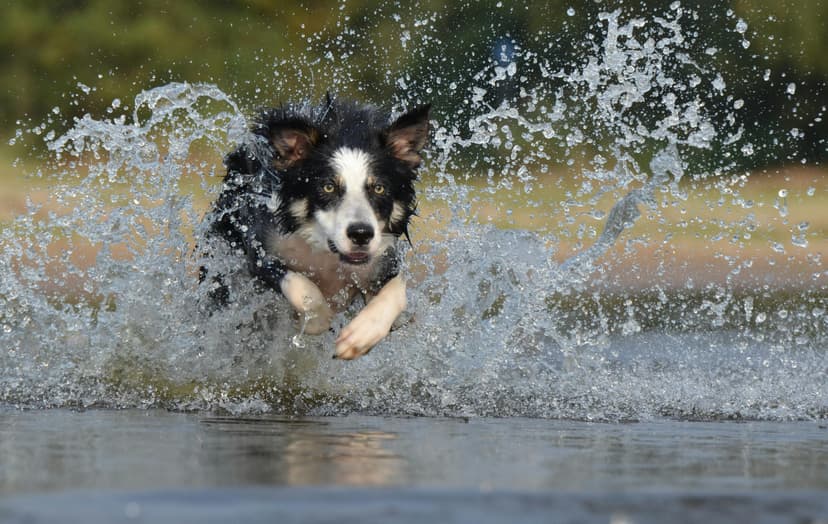

Lakeland Terrier
A compact, confident fell terrier from the Lake District - tough, cheerful and full of terrier character.
Personality Traits
History and Origins
The Lakeland Terrier was developed by farmers in the Lake District of England to protect their flocks from foxes that preyed on lambs during the lambing season. Unlike fox terriers bred to bolt foxes from earths, Lakelands needed the courage and stamina to follow foxes into rocky fell terrain and underground lairs. The breed was refined from various fell terrier types and recognised by the KC in 1921.
Despite never achieving mass popularity, the Lakeland has a devoted following among terrier enthusiasts who appreciate its workmanlike build, cheerful personality and adaptable nature. It remains one of the less common terrier breeds in the UK.
Appearance
The Lakeland is a compact, square-built terrier standing 33-37 cm at the shoulder. The wiry double coat comes in a range of colours including blue and tan, black and tan, red, wheaten, liver, blue and grizzle. The expression is keen and alert, with small V-shaped ears and dark eyes. The overall build suggests agility and endurance rather than bulk.
Is a Lakeland Terrier Right for You?
Lakelands are cheerful, confident dogs that make good companions for active owners. They have typical terrier independence but are generally friendlier with other dogs than many terrier breeds. They need moderate exercise and their wiry coat requires hand-stripping but sheds very little.
They are adaptable to both town and country life and their moderate size makes them suitable for smaller homes. They can be stubborn about training but respond well to positive, consistent methods. Their cheerful disposition and manageable size make them an excellent choice for owners who want terrier character without extreme demands.
Living with a Lakeland Terrier
Life with a Lakeland is never boring. They are active, inquisitive dogs that approach everything with enthusiasm. They are good with children and generally sociable with other dogs, though they retain enough terrier spark to stand their ground when challenged. They are alert watchdogs without being excessive barkers.
Their prey drive means they will chase squirrels, rabbits and cats if given the chance. Gardens should be secure and off-lead exercise requires reliable recall. They enjoy digging, a legacy of their earth-going ancestry, so precious flowerbeds may need protection.
Training Tips
- Use positive, reward-based methods consistently
- Socialise well with other dogs from puppyhood
- Channel digging and hunting instincts into games and activities
- Hand-stripping the coat maintains correct texture and minimal shedding
- Keep training sessions short and varied to maintain interest
Temperament
Lakelands are confident, friendly and cheerful. They combine terrier boldness with a generally good-natured sociability that makes them more approachable than some terrier breeds. They bond well with families and are typically good with children.
They are independent thinkers with a terrier's determination, but their aggression levels are moderate compared to breeds like the Bull Terrier or Staffordshire. They are alert and curious, always interested in their surroundings and ready for adventure.
Exercise Needs
One to one and a half hours of exercise daily suits most Lakelands. They enjoy walks, games and off-lead running in secure areas. Their fell terrier heritage means they handle rough terrain and bad weather with enthusiasm. Mental stimulation through training and scent games complements physical exercise well.
Grooming
The wiry coat needs hand-stripping two to three times a year to maintain its proper texture and colour. Between sessions, brush weekly. Many pet owners opt for clipping, which is easier but softens the coat. The coat sheds minimally when properly maintained. Regular ear, dental and nail care are standard requirements.
Health
Lakelands are generally healthy dogs with a good lifespan of 12-15 years. Lens luxation is the primary breed-specific concern, and a DNA test is available. Legg-Calve-Perthes disease can affect the hip joint in young dogs. Von Willebrand's disease has been identified in some lines. Overall the breed is robust and healthy.
For official breed standards, visit The Kennel Club.
Frequently Asked Questions
Are Lakeland Terriers good family dogs?
Yes, they are cheerful, adaptable dogs that get along well with children and other family members. Their moderate size and friendly nature make them well-suited to family life.
Do Lakeland Terriers shed?
Very little when properly hand-stripped. The wiry coat holds dead hair until removed by stripping. They are a good choice for people who prefer minimal shedding.
Are Lakelands good with other dogs?
Generally yes, better than many terrier breeds. They can be assertive but are not typically dog-aggressive. Early socialisation helps ensure good manners with other dogs.
How rare are Lakeland Terriers?
Fairly rare in the UK, with limited KC registrations each year. Finding a reputable breeder may require patience and potentially joining a waiting list.
Enjoying this guide?
Get more like it every week. The best walks, pub picks and breed tips, straight to your inbox.