Bernese Mountain Dog
Stunningly beautiful and wonderfully gentle, the Bernese Mountain Dog is a loyal family companion with a striking tricolour coat and a calm, affectionate nature.
Personality Traits
History and Origins
The Bernese Mountain Dog, or Berner Sennenhund, hails from the farmland around the city of Bern in the Swiss Alps, where it served as a versatile working dog for centuries. These dogs were the faithful companions of Swiss Alpine farmers, performing a remarkable range of duties that included pulling milk carts, driving cattle, guarding the homestead, and providing warmth and companionship during long, cold mountain winters. They are one of four Swiss mountain dog breeds, and by far the most popular internationally.
By the late 19th century, the breed had declined as mechanisation replaced many of its traditional roles. Swiss cynologist Professor Albert Heim championed the breed's revival, working to establish breeding programmes that preserved the Bernese Mountain Dog's distinctive appearance and gentle temperament. The breed gradually gained recognition beyond Switzerland, arriving in the UK in the mid-20th century and winning admirers with its striking tricolour coat and calm, affectionate nature.
The Kennel Club places the Bernese Mountain Dog in the Working group, and the breed has developed a loyal following in Britain. Today, Berners are primarily kept as family companions, though their heritage as working farm dogs is evident in their strength, willingness to please, and love of the outdoors.
Appearance
The Bernese Mountain Dog is a large, sturdy, and beautifully proportioned dog with one of the most striking coats in the canine world. Males stand 64 to 70 cm at the shoulder and weigh 39 to 50 kg, while females are slightly smaller. The body is strong and well-balanced, with a broad chest, straight back, and well-muscled limbs that reflect the breed's working heritage.
The head is broad and flat on top, with a well-defined stop and a medium-length muzzle. The eyes are dark brown, slightly oval, and carry a gentle, intelligent expression that is one of the breed's most appealing features. The ears are medium-sized, triangular, set high, and hang close to the head when the dog is at rest.
The coat is the breed's crowning glory. It is long, slightly wavy or straight, and luxuriantly thick, with a dense undercoat that provides excellent insulation against cold weather. The colouring is always tricolour, with a jet-black base, rich rust markings on the cheeks, above the eyes, on all four legs, and on the chest, and bright white markings on the muzzle, chest (forming a distinctive "Swiss cross"), feet, and tail tip. The overall effect is breathtakingly handsome.
Is a Bernese Mountain Dog Right for You?
Bernese Mountain Dogs are gentle, loyal, and beautiful, but they require a significant commitment in terms of grooming, exercise, and health management. Their thick coat needs regular attention, they are prone to several serious health conditions, and their relatively short lifespan for their size is an important consideration.
- Ideal for families who want a gentle, affectionate large breed with a stunning appearance
- Excellent with children, being patient, tolerant, and naturally protective
- Requires regular grooming to maintain the thick, long coat
- Moderate exercise needs, enjoying walks and outdoor activities without excessive intensity
- Shorter lifespan than many breeds, typically 7 to 10 years
- Sensitive to heat due to their thick coat, requiring careful management in warm weather
Living with a Bernese Mountain Dog
Living with a Bernese Mountain Dog is a deeply rewarding experience. These dogs are gentle, affectionate, and eager to please, weaving themselves into the fabric of family life with quiet devotion. They are calm in the home, content to lie at your feet or follow you from room to room, always close but never pushy or demanding.
Berners are particularly wonderful with children. Their patience and gentleness make them natural companions for young ones, and they seem to instinctively understand the need for care around smaller family members. Many families with Bernese Mountain Dogs describe them as the heart of the household, a steady, calming presence that brings everyone together.
The coat is a significant management consideration. Berners shed heavily, particularly during the spring and autumn moult, and regular grooming is essential to keep the coat healthy and your home relatively free of loose hair. A large garden is beneficial, as Berners enjoy time outdoors and appreciate space to move and explore. They are not suited to very warm climates and need careful management during hot British summers.
Training Tips
Bernese Mountain Dogs are intelligent, willing, and responsive to positive training methods. They have a natural desire to please and enjoy the process of learning new things, making them a pleasure to train. Their sensitivity means that harsh methods are not only unnecessary but counterproductive, as they can become anxious and shut down if treated roughly.
- Use gentle, positive reinforcement with praise, treats, and play as rewards
- Start socialisation early to build a confident, well-rounded adult
- Train basic commands from puppyhood, taking advantage of their eagerness to please
- Keep sessions enjoyable and varied, as Berners thrive on positive interaction
- Focus on lead training while the dog is still young and manageable in size
- Consider carting or draught work, which connects with the breed's heritage and provides excellent exercise
Temperament
The Bernese Mountain Dog temperament is characterised by a gentle, steady warmth that draws people in and makes the breed an exceptional family companion. These are dogs that exude calm confidence, approaching life with a quiet contentment that is soothing to be around. They are not excitable or demanding but rather steady and reliable, offering the kind of quiet companionship that many owners find deeply comforting.
Berners are deeply loyal and form strong bonds with their entire family. They are not one-person dogs but spread their affection generously, greeting every family member with equal warmth. They are particularly attuned to the emotions of their owners and will often seek out a family member who is upset or unwell, offering silent comfort with their presence.
With strangers, Bernese Mountain Dogs are typically friendly but not overly forward. They may take a moment to assess a new person before approaching, but they are generally welcoming and sociable once they have had the chance to say hello. They are not aggressive or suspicious by nature, though they will alert their family to unusual activity with a measured bark.
Their patience with children is one of the breed's most celebrated qualities. Berners seem to have an innate understanding of children, tolerating being climbed on, cuddled, and included in games with remarkable good grace. They are gentle and careful around young ones, making them one of the finest children's dogs available.
Exercise Needs
Bernese Mountain Dogs have moderate exercise needs. An hour to 90 minutes of daily activity, including walks and free play in a garden or park, is typically sufficient for an adult dog. They enjoy steady walks in the countryside, exploring woodland paths, and pottering around a large garden, but they are not dogs that require intense, high-energy exercise.
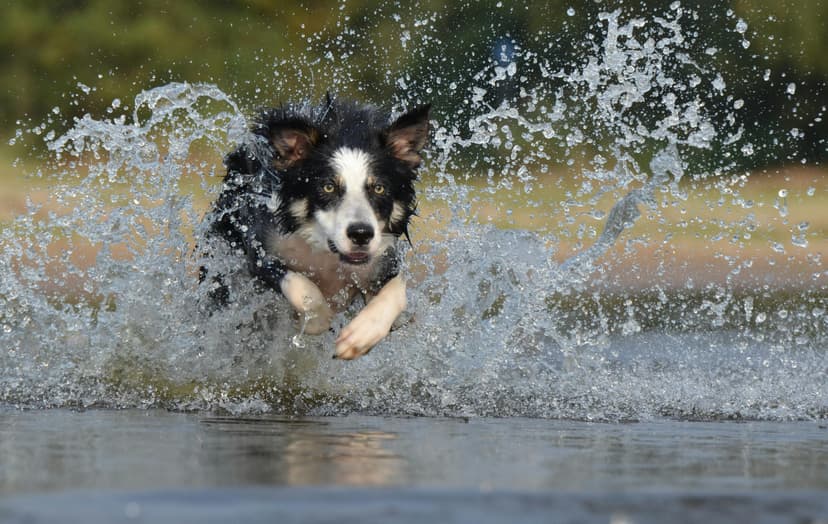
They are sensitive to heat due to their thick, double coat, so exercise should be scheduled for the cooler parts of the day during warm weather. Avoid strenuous activity in hot conditions, and always ensure access to shade and fresh water. Many Berners enjoy swimming, which provides excellent, low-impact exercise, particularly in warmer months.
As with all large breeds, exercise during the growth period must be carefully managed. Over-exercising young Bernese Mountain Dogs can damage developing joints and bones. Follow your breeder's guidance on age-appropriate exercise, and avoid sustained running, jumping, and hard surfaces until the dog is fully mature. Gentle walks and supervised play on soft ground are the safest options for puppies and adolescents.
Grooming
The Bernese Mountain Dog's magnificent coat requires regular, dedicated grooming. Brushing at least three to four times per week is recommended to prevent matting and remove loose hair, and daily brushing is advisable during the heavy shedding seasons in spring and autumn. A slicker brush, undercoat rake, and wide-toothed comb are all essential tools for maintaining the coat effectively.
Shedding is heavy and year-round, with significant increases during the moult. Bernese Mountain Dog owners quickly become accustomed to finding hair on clothing, furniture, and in every corner of the house. Regular grooming helps to manage this, but those who are particularly bothered by dog hair may find the breed challenging.
Bathing should be done as needed, typically every few weeks or when the dog has become particularly dirty. Use a gentle dog shampoo and ensure the thick coat is thoroughly rinsed and dried. Pay particular attention to the areas behind the ears, between the toes, and under the legs, where moisture can become trapped. Nail trimming, ear cleaning, and dental care should all be part of the regular grooming routine.
Health
The Bernese Mountain Dog is unfortunately prone to several serious health conditions, and the breed's relatively short lifespan of 7 to 10 years is a significant consideration for prospective owners. Cancer is the leading cause of death in the breed, with histiocytic sarcoma (a particularly aggressive cancer) being disproportionately common in Bernese Mountain Dogs. Regular veterinary check-ups and prompt investigation of any unusual lumps or symptoms are essential.
Hip and elbow dysplasia are common in the breed, and the Kennel Club recommends that all breeding stock be hip scored and elbow graded. Bloat (gastric dilatation-volvulus) is a risk for deep-chested breeds, and preventive feeding practices should be adopted. Progressive retinal atrophy (PRA) can occur, and eye testing of breeding stock is advisable.
Von Willebrand's disease, a blood clotting disorder, and degenerative myelopathy, a progressive spinal cord condition, are also seen in the breed. Choosing a responsible breeder who tests their stock comprehensively and understanding the breed's health vulnerabilities are essential steps. Despite these challenges, many Bernese Mountain Dogs live full, happy lives, and the joy they bring to their families is immeasurable.
For official breed standards, visit The Kennel Club.
Frequently Asked Questions
Are Bernese Mountain Dogs good family dogs?
Bernese Mountain Dogs are one of the finest family breeds. They are gentle, patient, and affectionate with children and adults alike. Their calm, steady temperament makes them wonderful household companions.
Do Bernese Mountain Dogs shed a lot?
Yes, Bernese Mountain Dogs are heavy shedders. They shed year-round, with particularly heavy moults in spring and autumn. Regular brushing three to four times per week helps manage the loose hair.
How long do Bernese Mountain Dogs live?
Bernese Mountain Dogs typically live 7 to 10 years. The breed is prone to certain cancers that can shorten lifespan. Choosing a responsible breeder and maintaining regular veterinary care are important.
Can Bernese Mountain Dogs cope with hot weather?
Bernese Mountain Dogs are sensitive to heat due to their thick double coat. Exercise should be limited during hot weather, with walks scheduled for early morning or evening. Always provide shade and fresh water.
How much exercise does a Bernese Mountain Dog need?
Adult Berners need around an hour to 90 minutes of exercise daily. They enjoy steady walks and outdoor play but do not require intense, high-energy exercise. Exercise must be carefully managed during the growth period.
Are Bernese Mountain Dogs easy to train?
Yes, Bernese Mountain Dogs are intelligent and eager to please, making them responsive to positive training methods. They are sensitive dogs that thrive with gentle, consistent guidance and praise.
Enjoying this guide?
Get more like it every week. The best walks, pub picks and breed tips, straight to your inbox.