
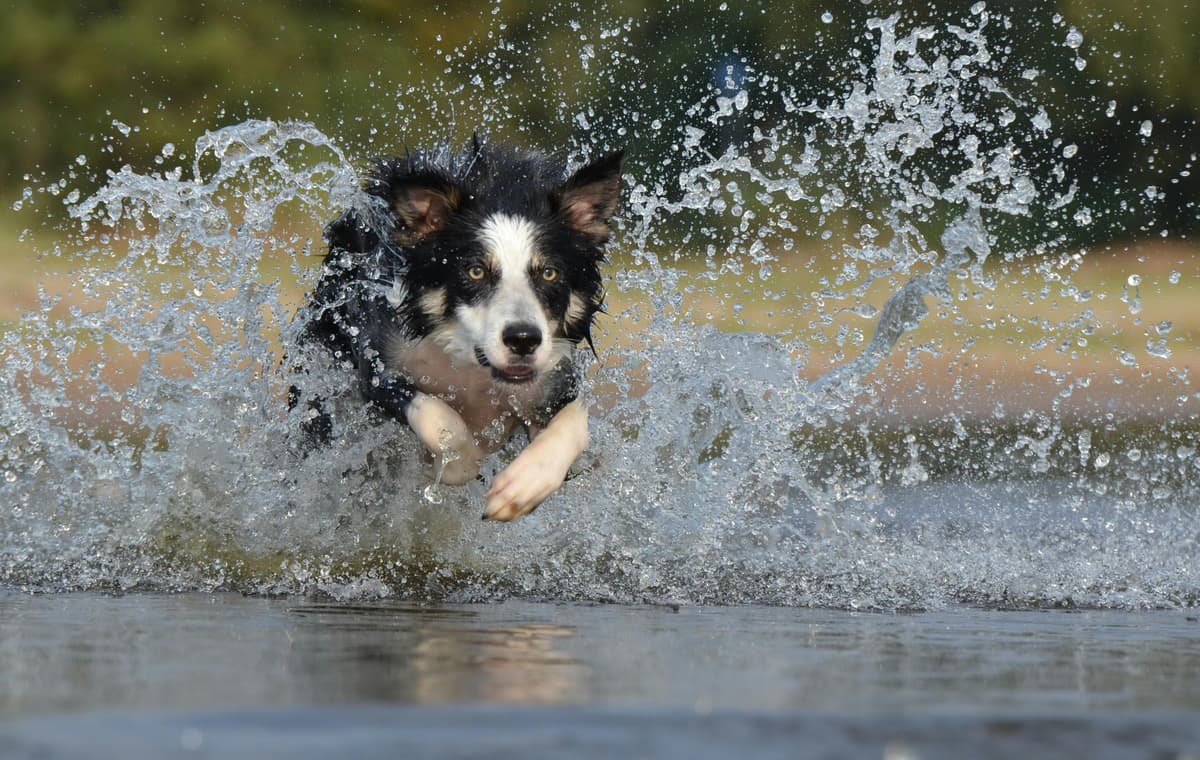
Boxer
Playful, loyal, and full of energy, the Boxer is a joyful family companion with a muscular build and a heart of gold. Endlessly entertaining and devoted to their people.
Personality Traits
History and Origins
The Boxer is a German breed that was developed in the late 19th century from the now-extinct Bullenbeisser, a powerful hunting dog used to hold large game such as boar and deer until the hunter arrived. The Bullenbeisser was crossed with the English Bulldog and other breeds to create the modern Boxer, a versatile working dog that combined strength, agility, and intelligence with a friendly, outgoing temperament.
The breed was recognised by the German Kennel Club in 1895 and quickly gained popularity across Europe. Boxers served in both World Wars as messenger dogs, pack carriers, and guard dogs, demonstrating the courage and adaptability that define the breed. They arrived in the UK in significant numbers after the Second World War and were soon embraced by British dog lovers for their exuberant personality, striking appearance, and exceptional loyalty to their families.
The Kennel Club places the Boxer in the Working group, and the breed has remained consistently popular in the UK. Today, Boxers are primarily kept as companion and family dogs, though their intelligence and trainability mean they also excel in obedience, agility, and therapy work.
Appearance
The Boxer is a medium-to-large, well-muscled dog that combines power with athletic elegance. Males stand 57 to 63 cm at the shoulder and weigh 30 to 36 kg, while females are slightly smaller. The body is square in profile, with a deep chest, strong limbs, and a short, level back that gives an impression of compact power.
The head is the breed's most distinctive feature. It is proportionate to the body, with a broad, blunt muzzle, pronounced stop, and a slight underbite that gives the Boxer its characteristic expression. The lower jaw extends slightly beyond the upper jaw, and the lips are thick and padded. The eyes are dark and expressive, and the ears are set high, lying flat against the cheeks in their natural state.
The coat is short, smooth, and tight-fitting, coming in fawn or brindle, with or without white markings. White Boxers do occur but are not considered breed standard. The short coat shows off the muscular physique beautifully and requires minimal grooming. The tail is set high and carried naturally.
Is a Boxer Right for You?
Boxers are one of the most entertaining and affectionate breeds available, but their energy, exuberance, and physical strength mean they are best suited to active owners who can match their enthusiasm. A young Boxer is a whirlwind of energy, and the breed retains a puppy-like playfulness well into adulthood, sometimes not fully maturing until three years of age.
- Ideal for active families who enjoy an energetic, playful companion
- Excellent with children, being naturally patient, protective, and endlessly playful
- Needs substantial daily exercise and mental stimulation
- Sensitive to heat due to their short muzzle, requiring careful management in warm weather
- Can be boisterous and physically demanding, especially in adolescence
- Does not tolerate being left alone for long periods and can develop separation anxiety
Living with a Boxer
Living with a Boxer is never boring. These are exuberant, expressive dogs that communicate their feelings through an impressive repertoire of wiggling, bouncing, vocalising, and what can only be described as interpretive dance. They are clowns at heart, with a talent for making people laugh and a seemingly inexhaustible supply of enthusiasm for life.
Despite their energy, Boxers are deeply sensitive dogs that crave human companionship and do not cope well with being left alone. They need to be part of the family, involved in daily activities, and surrounded by the people they love. A Boxer that is left alone for long stretches will become anxious, vocal, and destructive.
Their short muzzle makes them a brachycephalic breed, which means they can struggle in hot weather. During summer months, exercise should be scheduled for cooler parts of the day, and the dog should always have access to shade and fresh water. Boxers should never be left in hot cars or exercised vigorously in the heat.
Boxers are natural watchdogs and will alert you to visitors or unusual activity with a deep, resonant bark. They are protective of their families but generally friendly with people once introduced, making them sociable and approachable dogs in most situations.
Training Tips
Boxers are intelligent and eager to please, which makes them highly trainable. However, their exuberance and physical energy can make training sessions chaotic if not managed well. The key is to channel their enthusiasm into structured learning, using positive reinforcement and keeping sessions short, varied, and fun.
- Start training early, focusing on basic manners and impulse control
- Use positive reinforcement with both food and play as rewards
- Keep sessions short and energetic, matching the breed's natural enthusiasm
- Teach "settle" and "calm" commands to help manage boisterous behaviour
- Socialise broadly from puppyhood, as Boxers can be over-enthusiastic with new people and dogs
- Consider agility, flyball, or working trials to channel their physical and mental energy
Temperament
The Boxer temperament is a wonderful blend of energy, affection, and playful good humour. These are dogs that approach life with infectious enthusiasm, greeting every person, every walk, and every meal with unbridled joy. They are deeply sociable and thrive on human companionship, forming strong bonds with every member of the family and becoming genuinely distressed when separated from their people.
With children, Boxers are exceptional. They are naturally patient, gentle, and protective, and their playful nature makes them ideal companions for active families. Many Boxer owners describe their dogs as having an innate understanding of children, instinctively adjusting their behaviour to be more gentle with smaller family members. That said, young Boxers can be boisterous, and their enthusiasm can accidentally knock over toddlers, so supervision is always sensible.
Boxers are brave and naturally watchful, making them effective deterrents without being aggressive. They will bark to alert their family to visitors or unusual activity, but they are generally welcoming and friendly once they have assessed the situation. Their courage and loyalty made them valued working dogs, and those qualities remain strong in the modern companion Boxer.
They are sensitive dogs that respond strongly to the mood of their household. A tense or unhappy home environment will affect a Boxer deeply, while a calm, loving household brings out their very best qualities. They have an almost uncanny ability to sense when their owners need comfort, often providing quiet, gentle company during difficult times.
Exercise Needs
Boxers are high-energy dogs that need substantial daily exercise to stay physically and mentally healthy. At least an hour and a half of activity per day is recommended, including a combination of walks, off-lead play, and interactive games. Boxers love to run, play fetch, and engage in boisterous play with other dogs, and they have the stamina to keep going long after many breeds would have tired.
Mental stimulation is equally important. Boxers are intelligent dogs that become bored and destructive without adequate mental challenge. Training sessions, puzzle feeders, interactive toys, and structured games all help to keep their active minds engaged. Canine sports such as agility, flyball, and obedience are excellent outlets for the breed's energy and intelligence.
Because of their brachycephalic anatomy, Boxers must be exercised carefully in warm weather. Avoid vigorous activity during the heat of the day, provide plenty of water, and watch for signs of overheating such as excessive panting, drooling, or lethargy. Morning and evening walks during the summer months are the safest approach.
Grooming
The Boxer's short, tight coat is one of the easiest to maintain among all breeds. A weekly brush with a rubber grooming mitt or soft bristle brush removes loose hair and keeps the coat looking smooth and healthy. Boxers shed moderately, with heavier shedding during seasonal changes, but the short coat means loose hair is easily managed.
Bathing is needed only occasionally, as Boxers are naturally clean dogs. Use a gentle dog shampoo and ensure the facial folds are cleaned and dried thoroughly, as moisture can accumulate in the wrinkles and cause irritation. Some Boxers are prone to drooling, particularly after drinking or eating, so keeping a cloth handy for face-wiping is a practical habit.
Nail trimming should be done regularly, and dental care is particularly important for Boxers, as their jaw structure can make them prone to dental overcrowding and related issues. Brush teeth several times a week and schedule regular dental checks with your veterinarian. Ears should be checked weekly and cleaned as needed.
Health
Boxers are unfortunately predisposed to several significant health conditions, and prospective owners should be aware of these before committing to the breed. Heart conditions are the most serious concern, particularly aortic stenosis (a narrowing of the aorta) and arrhythmogenic right ventricular cardiomyopathy (ARVC), also known as Boxer cardiomyopathy. Regular cardiac screening is essential, and responsible breeders will test their breeding stock.
Cancer rates are higher in Boxers than in many other breeds, with mast cell tumours, lymphoma, and brain tumours among the conditions seen. Early detection through regular veterinary check-ups and prompt investigation of any lumps or unusual symptoms is important. Brachycephalic obstructive airway syndrome (BOAS) can affect Boxers, particularly in hot weather or during strenuous exercise, and owners should be aware of the signs of respiratory distress.
Hip dysplasia, hypothyroidism, and degenerative myelopathy are also seen in the breed. Bloat is a risk for deep-chested breeds and preventive feeding practices are advisable. Despite these health concerns, many Boxers live healthy, active lives of 10 to 12 years when bred responsibly and cared for attentively.
For official breed standards, visit The Kennel Club.
Frequently Asked Questions
Are Boxers good with children?
Boxers are one of the best breeds for families with children. They are naturally patient, playful, and protective. Their energy and enthusiasm make them wonderful playmates, though supervision is advisable with very young children due to the breed's boisterous nature.
Do Boxers need a lot of exercise?
Yes, Boxers are high-energy dogs that need at least 90 minutes of exercise per day. They enjoy walking, running, playing fetch, and canine sports. Mental stimulation through training and puzzle toys is equally important.
Can Boxers cope with hot weather?
Boxers are sensitive to heat due to their short muzzle. Exercise should be limited during hot weather, and the dog should always have access to shade and fresh water. Walk during cooler parts of the day in summer.
Are Boxers aggressive?
Well-bred, well-socialised Boxers are not aggressive. They are naturally friendly and sociable with people. They can be protective of their families and may be wary of strangers initially, but proper socialisation develops a confident, relaxed temperament.
How long do Boxers live?
Boxers typically live 10 to 12 years. The breed is predisposed to certain heart conditions and cancers, so choosing a responsible breeder who health-tests their stock and maintaining regular veterinary check-ups are important.
Do Boxers get along with other pets?
Boxers generally get along well with other dogs and can learn to live with cats, especially if raised together. Their playful nature can be overwhelming for smaller or more reserved animals, so introductions should be gradual and supervised.
Enjoying this guide?
Get more like it every week. The best walks, pub picks and breed tips, straight to your inbox.