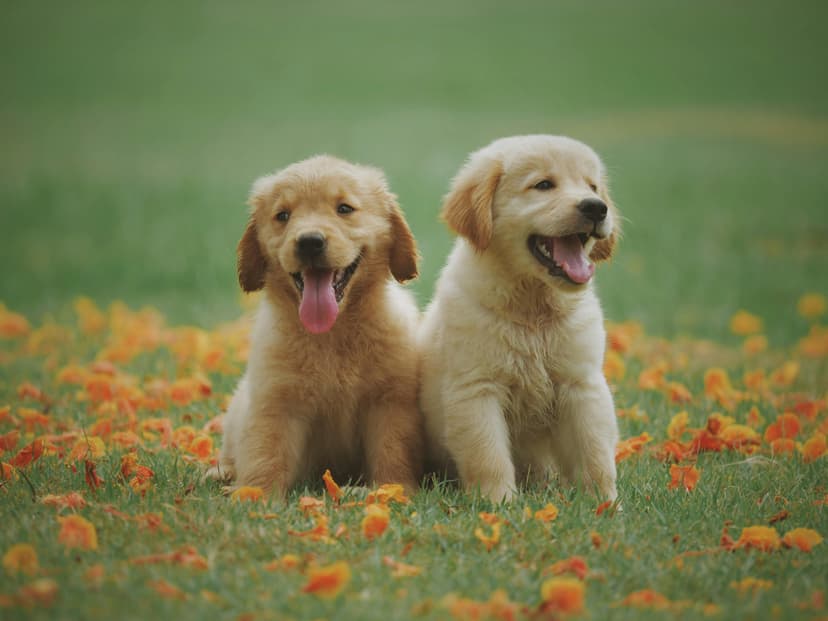

Cavachon
A gentle, fluffy crossbreed combining the Cavalier King Charles Spaniel's sweetness with the Bichon Frise's cheerful playfulness.
Personality Traits
History and Origins
The Cavachon is a cross between a Cavalier King Charles Spaniel and a Bichon Frise, two breeds renowned for their gentle, people-oriented natures. The cross was first intentionally bred in the late 1990s in the United States and has since become popular in the UK as a family companion.
The appeal of the Cavachon lies in combining two of the most companionable toy breeds. The Cavalier contributes its sweet, gentle temperament and love of cuddling, while the Bichon adds playfulness, sturdiness and a more robust coat. The result is typically a cheerful, adaptable small dog that fits well into many households.
Appearance
Cavachons are small dogs standing 28-33 cm at the shoulder and weighing 5-9 kg. Their coat is typically soft, wavy to slightly curly and comes in combinations of white, apricot, cream, tan and sometimes tri-colour with the Cavalier's characteristic markings. The expression is gentle and sweet with large, dark eyes. The body is compact and sturdy, more robust than the Cavalier but less fluffy than the Bichon.
Is a Cavachon Right for You?
Cavachons are ideal for a wide range of owners including first-time dog owners, families with children, older adults and flat dwellers. They are gentle, friendly and adaptable with moderate exercise needs. Their small size makes them portable and manageable.
They are excellent companion dogs that want to be close to their people. They can suffer from separation anxiety if left alone for long periods. Their grooming needs are moderate and manageable for most owners.
Living with a Cavachon
Cavachons are happy, gentle dogs that fit seamlessly into family life. They are playful without being hyperactive and affectionate without being clingy. They are typically good with children, other dogs and cats. Their small size and calm nature make them excellent therapy dogs.
They are adaptable to different activity levels - happy to join a moderate walk or spend a quiet day at home. They are sociable dogs that enjoy meeting people and other animals. Their easy-going nature and manageable size make them one of the most accessible companion dogs available.
Training Tips
- Socialise well from puppyhood to build confidence
- Build alone-time tolerance gradually to prevent separation anxiety
- Start grooming routines early so they accept brushing and trimming
- Use positive, gentle training - they are sensitive to harsh correction
- Monitor weight carefully - small breeds gain weight easily
Temperament
Cavachons are gentle, friendly and adaptable. They inherit the best of both parent breeds: the Cavalier's sweet, loving nature and the Bichon's cheerful playfulness. They are sociable dogs that enjoy the company of people and other animals.
They are not demanding or high-maintenance in temperament. They are content with moderate exercise and simple pleasures like walks, cuddles and games. Their gentle nature makes them suitable for households with young children and elderly family members alike.
Exercise Needs
Around 30-45 minutes of exercise daily. Cavachons enjoy gentle walks, garden play and indoor games. They are adaptable and do not need vigorous exercise. They enjoy short, varied walks rather than long hikes. Mental stimulation through training, puzzle toys and social interaction complements their physical exercise needs well.
Grooming
The soft, wavy coat needs brushing three to four times a week to prevent matting. Professional grooming every 6-8 weeks keeps the coat in good condition. They shed minimally, making them suitable for people who prefer less dog hair. Regular ear cleaning is important as both parent breeds are prone to ear infections. Dental care is essential as small breeds are susceptible to dental disease.
Health
Cavachons can inherit health conditions from both parent breeds. Mitral valve disease (from the Cavalier side) and syringomyelia are concerns that responsible breeders screen for. Patellar luxation can affect small breeds. Eye conditions and ear infections are relatively common. Choosing a breeder who MRI scans and heart-tests the Cavalier parent is essential for healthy puppies. Many Cavachons benefit from hybrid vigour and live long, healthy lives.
For official breed standards, visit The Kennel Club.
Frequently Asked Questions
Are Cavachons good first dogs?
Excellent first dogs. They are gentle, trainable and forgiving of beginner mistakes. Their moderate exercise and grooming needs make them manageable for new owners.
Do Cavachons shed?
Minimally. Most Cavachons have low-shedding coats, though this varies between individuals. They are often a good choice for people who prefer less dog hair in the home.
Can Cavachons be left alone?
Not for long periods. They are companionable dogs that can develop separation anxiety. Gradual alone-time training helps, but they are best suited to homes where someone is present for most of the day.
How long do Cavachons live?
Typically 12-15 years. They often benefit from hybrid vigour and can live long, healthy lives when bred responsibly from health-tested parents.
Enjoying this guide?
Get more like it every week. The best walks, pub picks and breed tips, straight to your inbox.