
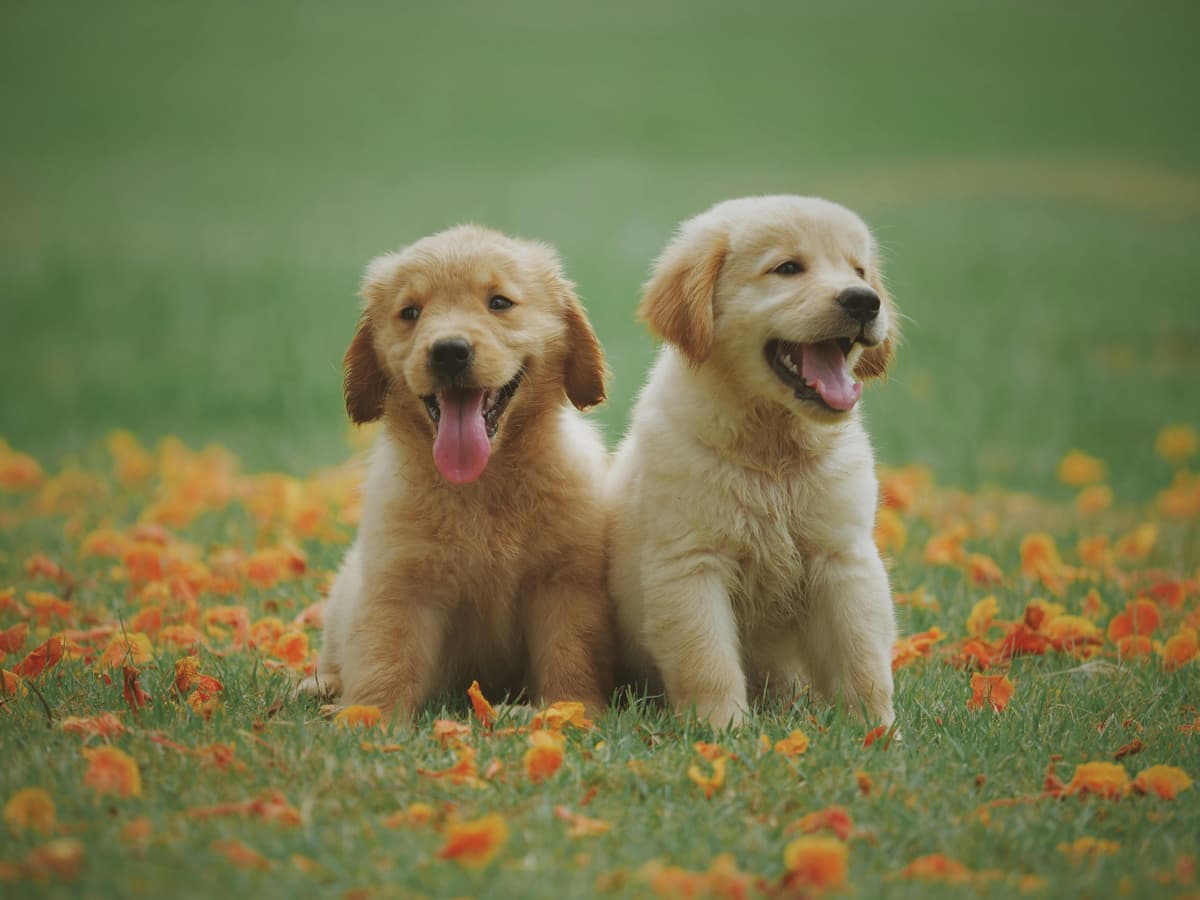
Goldendoodle
The popular Golden Retriever-Poodle cross - friendly, intelligent and often low-shedding, combining the best of both parent breeds.
Personality Traits
History and Origins
The Goldendoodle is a cross between a Golden Retriever and a Standard, Miniature or Toy Poodle. The cross was first intentionally bred in the 1990s, inspired by the success of the Labradoodle as an allergy-friendly assistance dog. Breeders sought to combine the Golden Retriever's gentle temperament and trainability with the Poodle's intelligence and low-shedding coat.
Goldendoodles are not recognised as a breed by the Kennel Club and are classified as crossbreeds. They have become enormously popular in the UK and worldwide, though this popularity has led to concerns about unscrupulous breeding practices. Prospective owners should research breeders carefully and ensure both parents have been health-tested.
Appearance
Goldendoodles vary significantly in appearance depending on which parent they favour and the generation of cross. They can range from 33 to 61 cm at the shoulder depending on the Poodle parent's size. Coats can be wavy, curly or straight, in colours including cream, gold, red, chocolate, black and parti-colour.
First-generation (F1) crosses between a Golden Retriever and a Poodle tend to have wavy coats. Later generations and backcrosses produce more predictable coat types, with curlier coats being more likely to be low-shedding. There is no standard appearance, which is part of the crossbreed's charm but also means you cannot predict exactly what a puppy will look like as an adult.
Is a Goldendoodle Right for You?
Goldendoodles are generally friendly, intelligent and trainable - combining positive traits from both parent breeds. They are often promoted as hypoallergenic, but this is misleading. Not all Goldendoodles are low-shedding, and even those with curlier coats produce some allergens. If allergies are your primary motivation, spend time with adult Goldendoodles before committing.
They need regular exercise, mental stimulation and consistent grooming. Their Poodle intelligence means they learn quickly but can also learn unwanted behaviours if not properly trained. They are typically social, friendly dogs that get along well with families, children and other pets.
Living with a Goldendoodle
Goldendoodles are sociable, affectionate dogs that enjoy being part of family life. They combine the Golden Retriever's people-loving nature with the Poodle's intelligence and playfulness. They are generally good-natured, adaptable dogs that settle well into most household routines.
Their coat requires more maintenance than many people anticipate. Wavy and curly coats mat easily and need regular brushing and professional grooming every six to eight weeks. Some owners are surprised by the grooming commitment when they expected a low-maintenance dog.
Training Tips
- Very trainable due to the intelligence of both parent breeds
- Use positive reinforcement with treats and play
- Socialise extensively during puppyhood
- Channel their energy and intelligence with varied activities
- Start grooming training early so they accept handling and brushing
Temperament
The Goldendoodle temperament typically reflects the best of both parent breeds: the Golden Retriever's friendliness, gentleness and love of people combined with the Poodle's intelligence, playfulness and alertness. Most Goldendoodles are outgoing, social dogs that enjoy meeting new people and other animals.
Temperament can vary depending on which parent breed is more dominant in the individual dog. Some Goldendoodles lean more toward the calm, steady Golden temperament, while others are more active and alert like Poodles. First-generation crosses tend to show more variation than later-generation dogs from established lines.
Exercise Needs
Goldendoodles need approximately one to one and a half hours of exercise daily, depending on their size. Standard-sized Goldendoodles need more exercise than miniature versions. They enjoy walks, swimming, fetch and active play. Their intelligence means they also need mental stimulation through training, puzzle toys and varied activities.
They make good running and hiking companions and generally enjoy water, inheriting this love from both parent breeds. Off-lead exercise is usually enjoyable as they tend to have good recall when properly trained. A well-exercised Goldendoodle is a calm, contented companion at home.
Grooming
Grooming is often the most underestimated aspect of Goldendoodle ownership. Wavy and curly coats need brushing every day or every other day to prevent matting. Professional grooming every six to eight weeks is essential. The curlier the coat, the less it sheds but the more it mats, so there is a trade-off between shedding and grooming effort.
Straighter-coated Goldendoodles shed more but mat less. Ear cleaning is important as the floppy ears combined with hair in the ear canal can trap moisture. Regular dental care, nail trimming and eye cleaning complete the routine. Budget for regular professional grooming when considering a Goldendoodle.
Health
Goldendoodles can inherit health conditions from either parent breed. Hip and elbow dysplasia, progressive retinal atrophy and heart conditions from the Golden Retriever side, and patellar luxation, Addison's disease and sebaceous adenitis from the Poodle side, are all possible.
Reputable breeders should health-test both parents: hip scoring, eye testing and relevant DNA tests for both breeds. The "hybrid vigour" claim often made for crossbreeds is somewhat misleading - while first-generation crosses may have some health advantages, they are still susceptible to conditions present in both parent breeds. Average lifespan is 10-15 years depending on size.
For official breed standards, visit The Kennel Club.
Frequently Asked Questions
Are Goldendoodles hypoallergenic?
Not necessarily. While curly-coated Goldendoodles shed less than many breeds, no dog is truly hypoallergenic. Coat type varies even within litters, and some Goldendoodles shed significantly. Spend time with adult dogs before committing if allergies are a concern.
How big do Goldendoodles get?
It depends on the Poodle parent. Standard Goldendoodles (Standard Poodle cross) can reach 50-60 cm and 20-40 kg. Medium Goldendoodles range from 40-50 cm. Miniature Goldendoodles (Miniature Poodle cross) are 33-45 cm and 14-20 kg.
Are Goldendoodles recognised by the Kennel Club?
No. Goldendoodles are crossbreeds and are not recognised by the Kennel Club as a breed. They cannot be shown at KC shows or registered on the breed register. They can participate in some KC activities under the Activity Register.
How much grooming does a Goldendoodle need?
More than most people expect. Curly coats need brushing every day or two and professional grooming every six to eight weeks. Even wavy coats need regular brushing. Grooming is the most commonly underestimated aspect of Goldendoodle ownership.
What is an F1 Goldendoodle?
F1 means first generation - a direct cross between a Golden Retriever and a Poodle. F1B is a Goldendoodle crossed back to a Poodle (usually for a curlier coat). F2 is two Goldendoodles crossed together. Each generation has different coat and temperament probabilities.
Enjoying this guide?
Get more like it every week. The best walks, pub picks and breed tips, straight to your inbox.


