Horncastle Town & Wolds Trail
Horncastle, Lincolnshire
Route Overview
The Horncastle Town and Wolds Trail is a varied 3-mile walk that combines the historic market town of Horncastle with the gentle foothills of the Lincolnshire Wolds, offering a satisfying blend of urban heritage and rural countryside in a single circular outing. Horncastle sits at the confluence of the rivers Bain and Waring, on the site of a Roman walled town, and this walk explores both its fascinating past and the beautiful landscape that surrounds it.
Starting from the town centre, the route follows the banks of the River Bain southwards through a series of pleasant riverside meadows. The river is a clear, gently flowing watercourse bordered by willows and alders, and the path follows its course through an area of protected open space that serves as the town's green lung. After crossing the river, the route climbs gently onto the lower slopes of the Wolds, following field-edge paths and quiet lanes through pastoral farmland with views back towards the town and the surrounding valley.
The Wolds section provides a taste of the rolling chalk landscape that defines this Area of Outstanding Natural Beauty. The terrain undulates gently, with hedgerow-lined fields and occasional copses providing variety and shelter. The return leg descends back into Horncastle, passing sections of the Roman town wall - some of the finest surviving Roman wall sections in England - before re-entering the town centre.
The moderate rating reflects the gentle climbs on the Wolds section, which are noticeable but never steep. The field paths can be uneven and muddy in wet weather, and there are a few stiles to negotiate. However, the overall character is one of accessible, rewarding walking that reveals Horncastle's unique position at the gateway to the Wolds.
Dog-Friendly Features
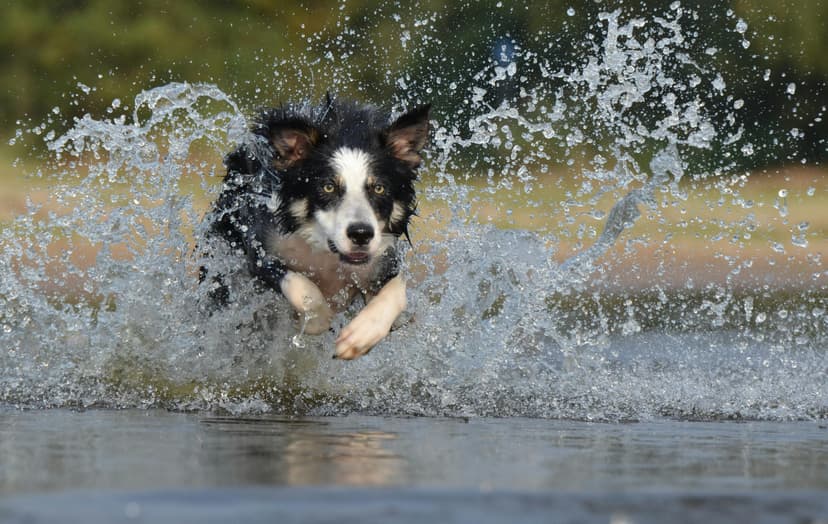
The Horncastle Town and Wolds Trail offers good off-lead opportunities along the riverside meadows and on the field paths where no livestock is present. The River Bain is shallow and accessible, providing excellent paddling for dogs - the water is clean and clear, with a gentle current and a gravel bed. Several easy access points along the riverside section make entering and exiting the water straightforward for dogs of all sizes.
The Wolds section requires more caution, as the pastoral fields may contain livestock, particularly sheep. Always check fields before unclipping your lead and be prepared to leash up quickly. The stiles on the route mostly have dog-friendly gaps, though one or two of the older ones may require lifting larger dogs over. Dog waste bins are available in the town but not along the countryside section of the route.
The town sections of the walk pass through areas shared with pedestrians and traffic. Dogs should be on leads through the town centre and along any road sections. The riverside meadows are the most relaxed and spacious areas for off-lead exercise.
Getting There & Parking
Horncastle is located on the A158 between Lincoln and Skegness, approximately 22 miles east of Lincoln. Several car parks are available in the town centre, including the free car park off Foundry Street. On-street parking is also available on quieter streets. The town is well signposted from the A158 and A153.
Bus services connect Horncastle to Lincoln, Skegness, and other Lincolnshire towns. The bus stops are in the town centre, close to the start of the walk. There is no railway station in Horncastle; the nearest is Metheringham, approximately 12 miles away.
Seasonal Tips
Spring is a lovely time for this walk, with wildflowers in the meadows and the river valley fresh and green. The views from the Wolds section are particularly clear in the spring air. Summer brings the warmest conditions for riverside paddling and the longest walking days, though the Wolds fields can feel exposed on hot afternoons.
Autumn provides beautiful colour in the hedgerows and woodland copses, and the quieter atmosphere on the Wolds paths is a welcome change from the busier summer months. Winter walks offer stark beauty, with frost on the fields and the Roman walls looking their most dramatic. The field paths can be muddy and heavy going between November and March - good waterproof boots are essential.
Nearby Facilities
Horncastle is a thriving market town with an excellent selection of pubs, cafes, and shops. The Bull Hotel and the Old Nick's Tavern are both dog-friendly pubs serving good food and drinks. The town is famous for its antique shops, and browsing the high street after your walk is a pleasant way to spend an afternoon. Public toilets are available in the town centre.
Horncastle hosts a regular market and has a good range of independent shops. Veterinary services are available in the town, and there is a pet supplies shop. The town also serves as a gateway to longer walks in the Lincolnshire Wolds AONB.
Frequently Asked Questions
Can dogs paddle in the River Bain at Horncastle?
Yes, the River Bain is shallow, clean, and accessible at several points along the riverside section. The gentle current and gravel bed make it safe and enjoyable for dogs of all sizes.
Is the Horncastle walk hilly?
The route includes gentle climbs onto the lower Wolds slopes, which are noticeable but never steep. The riverside and town sections are flat. The moderate rating reflects the undulating terrain.
Are there stiles on the Horncastle walk?
Yes, there are several stiles on the Wolds section of the walk. Most have dog-friendly gaps, though one or two older stiles may require lifting larger dogs over.
Where can I park for the Horncastle walk?
A free car park is available off Foundry Street in the town centre. On-street parking is also available on quieter streets nearby.
Are there dog-friendly pubs in Horncastle?
Yes, the Bull Hotel and Old Nick's Tavern are both dog-friendly pubs in Horncastle serving good food and drinks. The town has several other options as well.
Can I see the Roman walls on this walk?
Yes, the route passes sections of the Roman town wall on the return leg. These are some of the finest surviving Roman wall sections in England and are well worth stopping to examine.
Community Photos
No community photos yet. Be the first to share!