How Much Exercise Does My Dog Need? Breed-by-Breed Guide
One of the most common questions new dog owners ask is how much exercise their dog actually needs. The answer varies enormously by breed, age and individual temperament. A Border Collie needs vastly more exercise than a Bulldog, and a senior dog needs different activity to a young adult.
Getting exercise right is crucial. Too little leads to weight gain, destructive behaviour and frustration. Too much, particularly in growing puppies, can damage developing joints and lead to long-term health problems.
Exercise Needs by Breed Group
Working and Herding Dogs: 90+ minutes daily
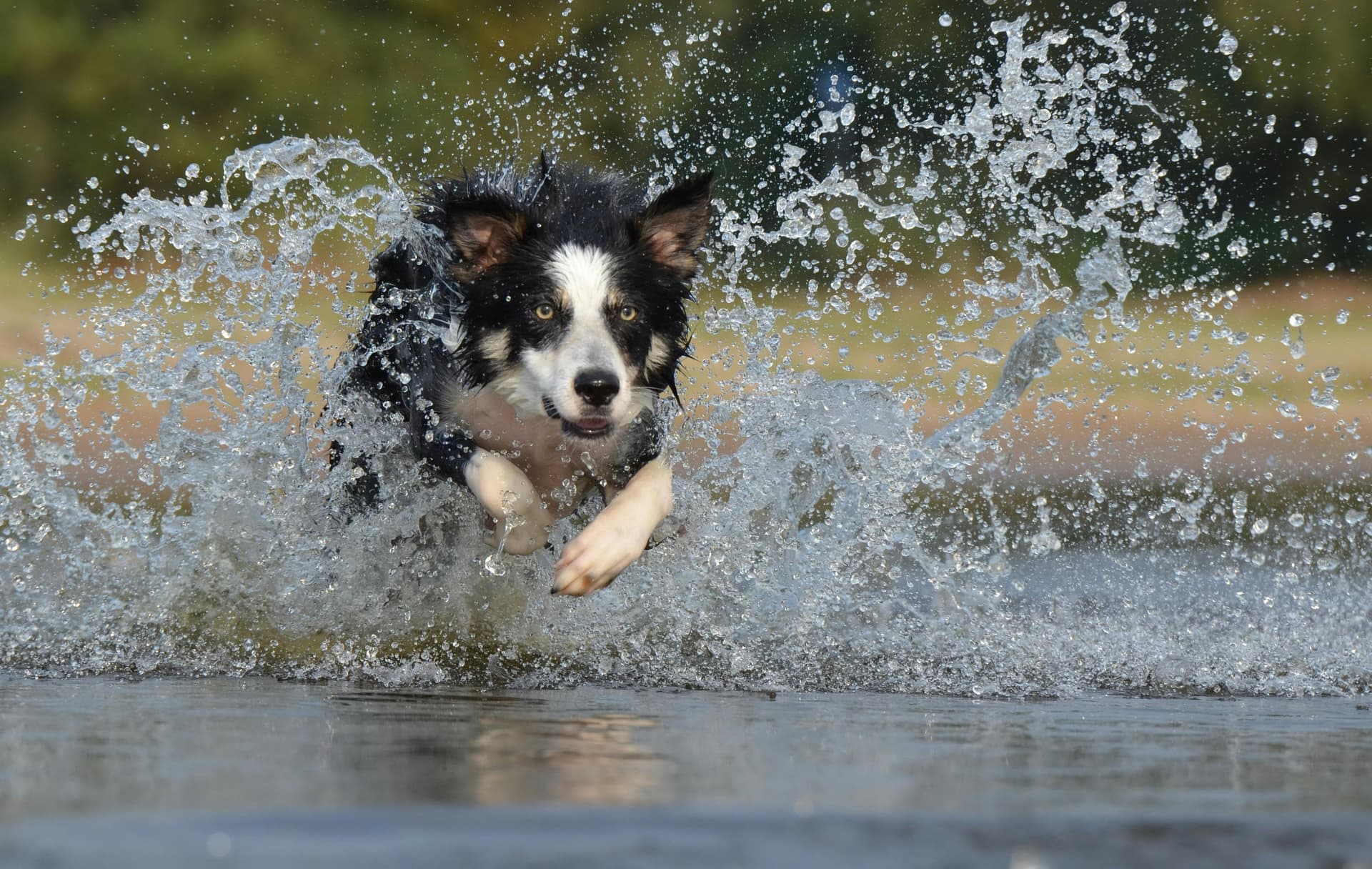
Border Collies, German Shepherds, Belgian Malinois, Australian Shepherds and similar breeds were developed for all-day physical work. They need substantial exercise combined with mental stimulation.
- Minimum 90 minutes of active exercise per day
- At least one session should involve running, not just walking
- Mental stimulation (puzzle feeders, training, scent work) is as important as physical exercise
- Without sufficient activity, these breeds commonly develop compulsive behaviours like circling, shadow chasing or excessive barking
Gundogs: 60-90 minutes daily
Labradors, Golden Retrievers, Spaniels, Setters and Pointers are athletic, outdoorsy breeds that thrive on varied exercise.
- 60-90 minutes of exercise including off-lead running and swimming where possible
- Retrieving games satisfy natural instincts
- Spaniels particularly benefit from walks through varied terrain with opportunities to use their nose
- These breeds gain weight easily, making consistent exercise essential
Terriers: 45-75 minutes daily
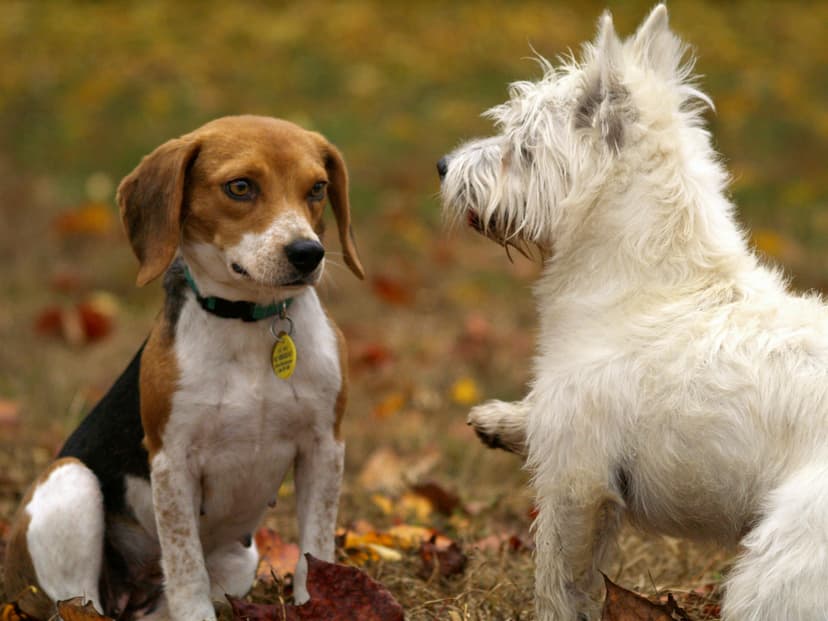
Jack Russells, Staffordshire Bull Terriers, Border Terriers and West Highland Terriers are small but mighty. They need more exercise than their size suggests.
- 45-75 minutes of active exercise including some off-lead time
- Short, intense play sessions suit their energy patterns
- Many terriers enjoy digging and chasing games
- A bored terrier will find their own entertainment, usually at the expense of your furniture
Sighthounds: 30-60 minutes daily
Greyhounds, Whippets, Lurchers and similar breeds are built for sprinting, not endurance. They are surprisingly low-maintenance once past the puppy stage.
- 30-60 minutes of exercise, ideally including a sprint opportunity
- Many Greyhounds (especially ex-racers) are happy with two 20-minute walks
- Off-lead time should be in secure, enclosed areas due to high prey drive
- These breeds are genuine couch potatoes between walks
Toy and Companion Breeds: 20-45 minutes daily
Chihuahuas, Cavalier King Charles Spaniels, Shih Tzus and Pugs need less physical exercise but still benefit from daily walks for mental stimulation.
- 20-45 minutes of gentle exercise, split into two shorter walks
- Avoid strenuous exercise in hot weather, especially for flat-faced breeds
- Indoor play and training can supplement outdoor walks on bad weather days
- Do not carry these dogs everywhere: they still need to walk and build fitness
Puppy Exercise: The 5-Minute Rule
Growing puppies need careful exercise management to protect developing joints. The widely used guideline is 5 minutes of structured exercise per month of age, twice daily.
- A 3-month-old puppy: 15 minutes per walk, twice daily
- A 6-month-old puppy: 30 minutes per walk, twice daily
- Free play in the garden does not count towards this limit
- Avoid repetitive high-impact activities (jumping, stairs, forced running) until growth plates close (12-18 months depending on breed)
- Large and giant breeds need particular care as their joints take longer to mature
Senior Dogs: Quality Over Quantity
Older dogs still need daily exercise but the type and intensity should adapt as they age.
- Maintain regular walks but reduce pace and distance as needed
- Two shorter walks are often better than one long walk for arthritic dogs
- Swimming is excellent low-impact exercise for senior dogs with joint problems
- Watch for signs of fatigue: lagging behind, heavy panting, reluctance to walk further
- Talk to your vet about appropriate exercise if your dog has been diagnosed with arthritis or hip dysplasia
Signs Your Dog Needs More Exercise
- Destructive behaviour (chewing furniture, digging up the garden)
- Excessive barking or whining
- Hyperactivity indoors that does not settle
- Weight gain despite controlled feeding
- Attention-seeking behaviour (nudging, pawing, bringing toys constantly)
Signs Your Dog Is Getting Too Much Exercise
- Stiffness or limping after walks
- Reluctance to get up or go for walks
- Sleeping excessively (beyond normal napping)
- Worn or cracked paw pads
- Injuries or strains that do not resolve
Do Not Forget Mental Exercise
A 30-minute training session or puzzle-solving activity can tire a dog as much as a 60-minute walk. Mental stimulation is particularly important for intelligent breeds and dogs who cannot exercise freely due to injury or recovery.
- Scatter feeding in the garden (throw kibble in long grass)
- Puzzle feeders and Kong toys
- Scent work and nose games
- Learning new tricks or commands
- Snuffle mats and lick mats
Enjoying this guide?
Get more like it every week. The best walks, pub picks and breed tips, straight to your inbox.
Got expert dog advice to share? We publish guest articles from vets, trainers and passionate dog owners.