Joint Care for Senior Dogs: Supplements, Exercise and Comfort

Recognising Joint Problems
Arthritis affects around 80% of dogs over 8 years old, yet many owners miss the early signs because dogs hide pain instinctively. Watch for: reluctance to jump into the car, difficulty on stairs, stiffness after rest, reduced enthusiasm for walks, licking or chewing joints, and a reluctance to sit or lie down.
If you notice any changes, visit your vet promptly. Early intervention can significantly slow the progression of joint disease and improve your dog's quality of life.
Supplements That Help
Glucosamine and chondroitin are the most widely used joint supplements. Research shows they can help maintain cartilage health and reduce inflammation. Look for products specifically formulated for dogs with adequate dosages based on body weight.
Omega-3 fatty acids (from fish oil) have anti-inflammatory properties that benefit joints. Green-lipped mussel extract is another evidence-based supplement. Turmeric (curcumin) shows promise but requires a specific formulation for dogs to be absorbed effectively.
Exercise Adaptations
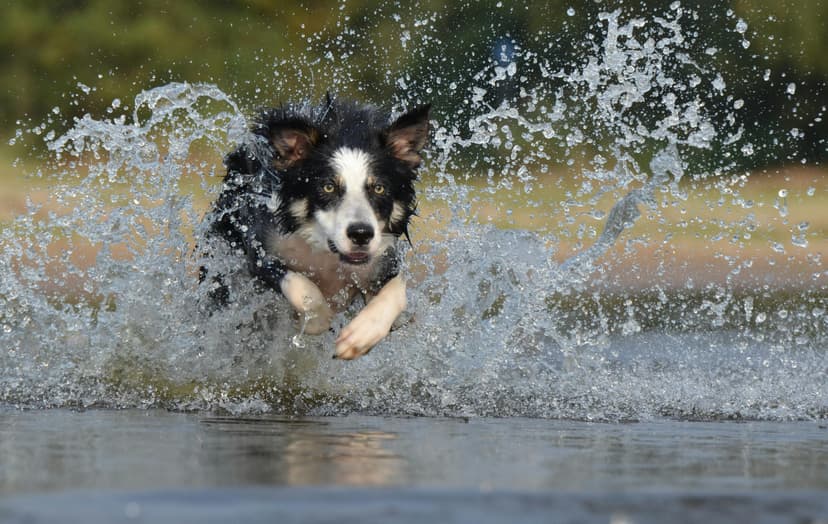
Senior dogs still need exercise, but the type and intensity should be adapted. Short, frequent walks are better than one long outing. Avoid steep hills, jumping and sudden direction changes. Swimming and hydrotherapy are excellent low-impact alternatives that build muscle without stressing joints.
Warm up slowly at the start of walks and watch for signs of fatigue or discomfort. If your dog slows down or sits during a walk, respect their limits. Consistency is more important than distance.
Home Comfort Adjustments
A supportive orthopaedic bed reduces pressure on joints. Memory foam or egg-crate foam beds are good options. Place beds away from draughts and consider a heated pad in winter.
Non-slip mats on hard floors prevent sliding and reduce anxiety. Ramps for the car and sofa reduce the need for jumping. Raised food and water bowls reduce neck strain. Keep nails trimmed, as long nails change the foot's angle and increase joint stress.
Veterinary Treatments
Your vet may prescribe anti-inflammatory medications (NSAIDs) for pain management. These are very effective but require regular blood monitoring. Newer treatments include monoclonal antibody injections that target pain specifically and have fewer side effects.
Physiotherapy, hydrotherapy and acupuncture can complement medical treatment. Weight management is critical: every extra kilogram puts additional strain on already compromised joints.
Enjoying this guide?
Get more like it every week. The best walks, pub picks and breed tips, straight to your inbox.
Got expert dog advice to share? We publish guest articles from vets, trainers and passionate dog owners.